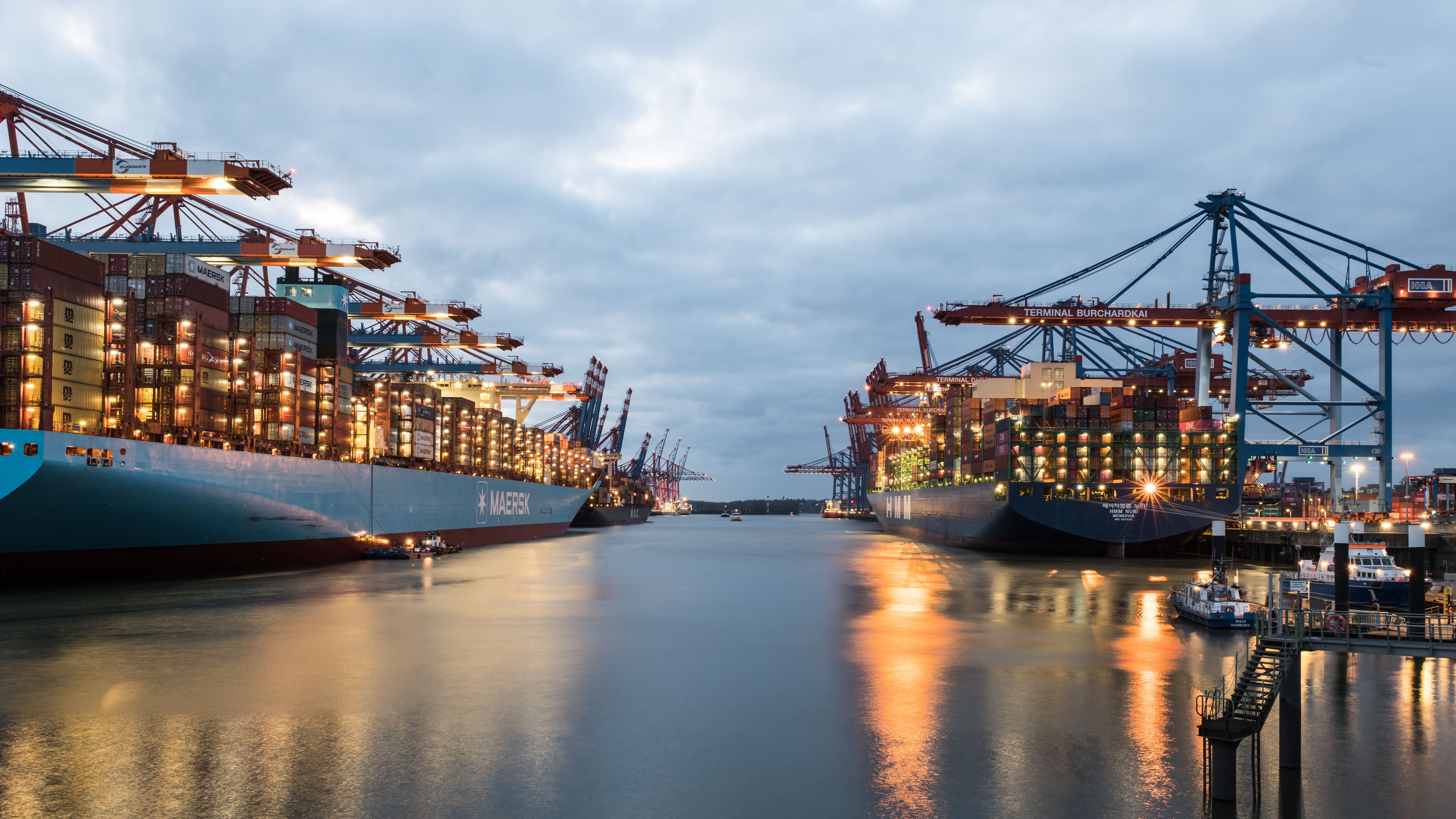
U.S.–China Competition and Global Markets: Shaping the Future of the World Economy
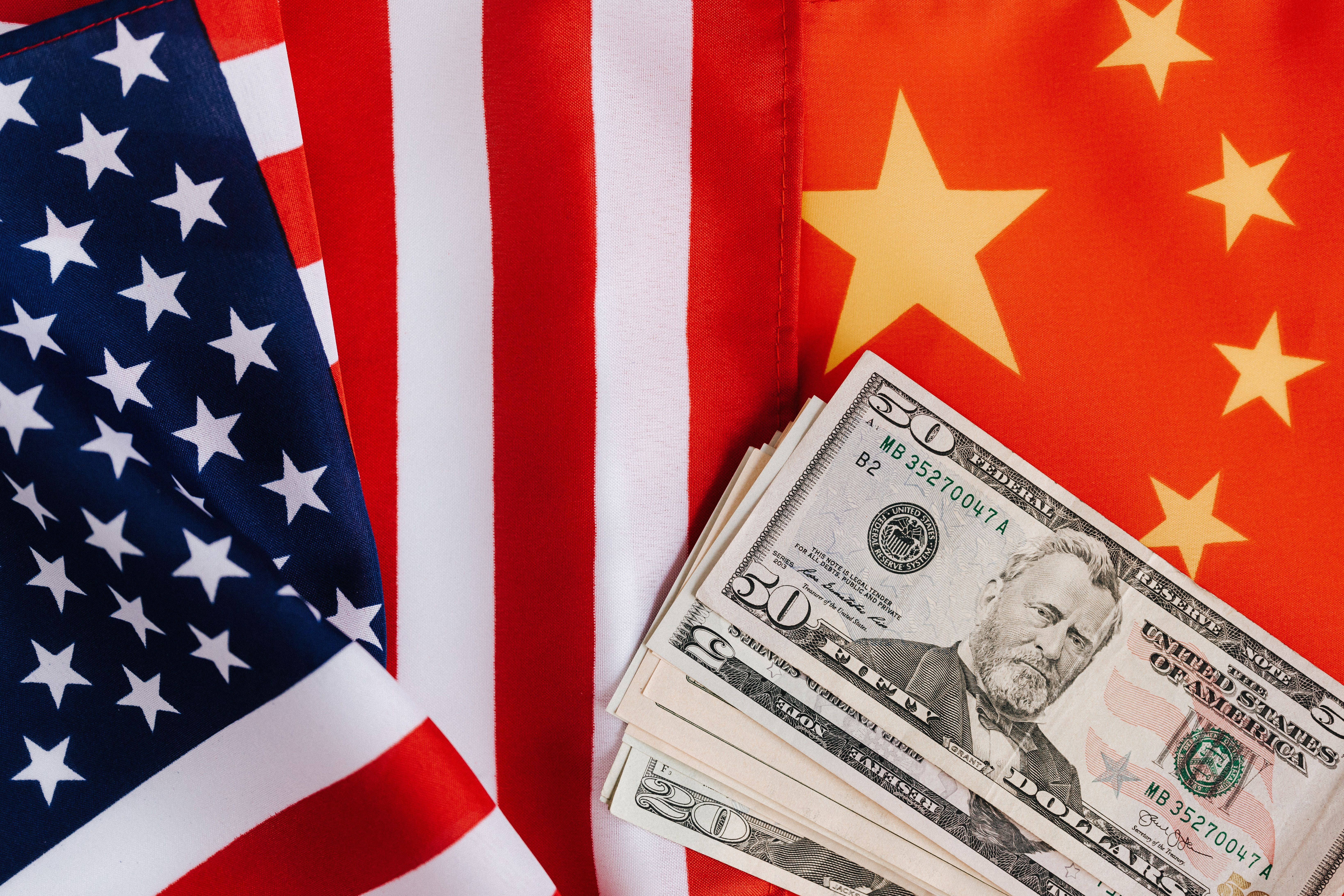
The growing rivalry between the United States and China is transforming global trade, technology, investment, and supply chains. Discover how businesses and investors are adapting to one of the most influential economic relationships in the world.
The economic and strategic rivalry between the United States and China has become one of the defining forces shaping global markets in the 21st century. As the world's two largest economies compete for influence, innovation, and economic leadership, businesses, investors, and governments around the globe are closely watching the impact of their actions.
While competition between major
powers is not new, the scale and interconnectedness of today's global economy
make the U.S.–China relationship particularly significant. Decisions made in
Washington and Beijing can influence supply chains, investment flows,
technology development, commodity prices, and economic growth worldwide.
A Competition Beyond Trade
Initially, much of the focus on
U.S.–China tensions centered on trade disputes and tariffs. However, the
rivalry has expanded far beyond import duties and export restrictions. Today,
it includes technology leadership, artificial intelligence, semiconductor
manufacturing, clean energy, cybersecurity, military influence, and access to
strategic resources.
The United States continues to
strengthen domestic manufacturing capabilities, particularly in advanced
technologies such as semiconductor chips and artificial intelligence.
Meanwhile, China is investing heavily in innovation, industrial development,
and technological self-sufficiency to reduce dependence on foreign suppliers.
This competition is increasingly
influencing how global businesses make investment and production decisions.
Impact on Global Supply Chains
One of the most visible effects
of U.S.–China competition has been the restructuring of global supply chains.
Many multinational companies are
diversifying manufacturing operations beyond China to reduce geopolitical
risks. Countries such as India, Vietnam, Mexico, and Indonesia are emerging as
attractive alternatives for manufacturing and sourcing.
This trend, often referred to as
"China Plus One," allows companies to maintain operations in China
while expanding production elsewhere. As a result, new investment opportunities
are emerging across Asia and other developing regions.
For businesses, supply chain
resilience has become just as important as cost efficiency.
Technology Becomes a Strategic
Asset
Technology has become the central
battleground in the U.S.–China rivalry.
Both nations are investing
billions of dollars in artificial intelligence, quantum computing, advanced
telecommunications, renewable energy technologies, and semiconductor
production. Restrictions on technology exports, particularly advanced chips and
manufacturing equipment, have intensified competition.
The race for technological
leadership is influencing global innovation ecosystems, venture capital
investments, and research partnerships. Companies operating in
technology-intensive sectors must increasingly navigate complex regulatory and
geopolitical environments.
For investors, technology remains
a major growth area, but geopolitical risks have become an important
consideration.
Financial Markets Feel the
Effects
Global financial markets often
react quickly to developments in U.S.–China relations.
Announcements involving tariffs,
trade negotiations, technology restrictions, or diplomatic tensions can create
volatility in stock markets, currencies, and commodities. Investors closely
monitor policy changes because of their potential impact on corporate earnings
and economic growth.
At the same time, both economies
remain deeply connected through trade, investment, and financial markets. This
interconnectedness means that instability between the two countries can create
ripple effects across global markets.
Many investment firms now include
geopolitical analysis as a key component of risk management and portfolio
strategy.
Opportunities for Emerging
Economies
While competition between the
world's largest economies creates uncertainty, it also presents opportunities.
Countries that can offer stable
business environments, skilled workforces, and supportive government policies
may attract significant foreign investment. India, in particular, has emerged
as a major beneficiary of supply chain diversification efforts.
Manufacturing, digital services,
renewable energy, and technology sectors in emerging markets are receiving
increased attention from global investors seeking alternatives and growth
opportunities.
This shift could accelerate
economic development in several regions over the coming decade.
The Green Energy Race
Another important dimension of
the U.S.–China competition is the transition to clean energy.
Both nations are investing
heavily in electric vehicles, battery technology, solar energy, and renewable
infrastructure. China currently dominates several clean-energy supply chains,
while the United States is implementing policies designed to strengthen
domestic production and reduce dependence on foreign suppliers.
The outcome of this competition
will influence global energy markets, climate goals, and the pace of
technological innovation in sustainability.
Businesses operating in renewable
energy sectors are likely to benefit from increased investment and government
support.
Looking Ahead
The U.S.–China relationship will
remain a major factor shaping global economic trends for years to come. While
competition may continue to create challenges and uncertainty, it is also
driving innovation, investment, and strategic transformation across industries.
For business leaders,
understanding the evolving dynamics between these two economic giants is no
longer optional—it is essential. Companies that adapt to changing supply
chains, technological shifts, and geopolitical realities will be better
positioned to succeed in an increasingly complex global marketplace.
As the world navigates this new era of economic competition, the ability to balance opportunity with risk will define the next generation of global business success.