Geopolitics and Global Trade Routes: How Conflicts and Tensions Are Reshaping Global Commerce
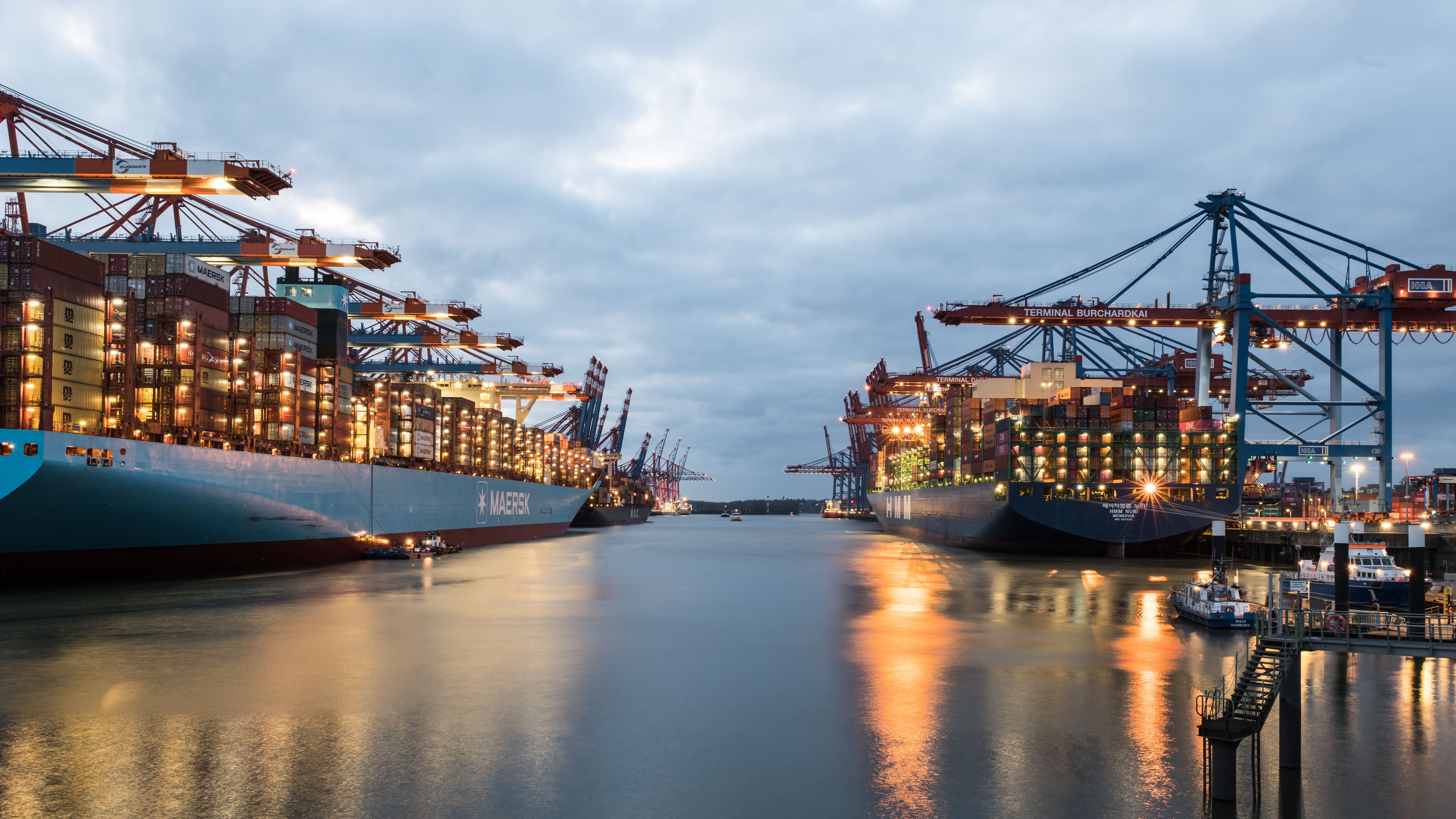
Global trade is increasingly influenced by geopolitical tensions, economic sanctions, and regional conflicts. Learn how businesses are adapting their supply chains, transportation strategies, and market approaches to navigate an uncertain global trading environment.
Global trade has always depended on stable transportation networks, open markets, and international cooperation. However, in recent years, geopolitical tensions, armed conflicts, economic sanctions, and regional rivalries have increasingly influenced how goods move around the world. From shipping disruptions in strategic waterways to changing trade alliances, businesses are being forced to adapt to a more complex and uncertain global environment.
The Growing Impact of
Geopolitics on Trade
Geopolitics refers to how
political decisions, international relations, and regional power struggles
affect economic activities. In today's interconnected world, a conflict in one
region can quickly disrupt supply chains and affect businesses thousands of
miles away.
Companies that once focused
mainly on cost efficiency are now paying closer attention to geopolitical
risks. Governments are also placing greater emphasis on economic security,
leading to new trade policies, restrictions, and strategic partnerships.
Strategic Trade Routes Under
Pressure
Several key trade routes are
essential to global commerce. When tensions rise in these areas, the effects
are felt worldwide.
Red Sea and Suez Canal
The Suez Canal remains one of the
world's most important shipping corridors, connecting Europe and Asia. Recent
security concerns and attacks on commercial vessels in the Red Sea have forced
some shipping companies to reroute cargo around Africa's Cape of Good Hope.
While this alternative route is
safer in certain situations, it significantly increases travel time, fuel
consumption, and transportation costs. These added expenses often find their
way into the prices consumers pay for goods.
Strait of Hormuz
The Strait of Hormuz handles a
significant portion of the world's oil exports. Any disruption in this narrow
waterway can impact global energy markets and create volatility in fuel prices,
affecting transportation and manufacturing industries worldwide.
South China Sea
The South China Sea is another
critical maritime route through which trillions of dollars worth of trade pass
annually. Ongoing territorial disputes and military activity in the region
continue to raise concerns about future shipping stability and supply chain
security.
Sanctions Are Redrawing Trade
Patterns
Economic sanctions have become a
major tool of international diplomacy. Governments use sanctions to pressure
countries, organizations, or individuals without resorting to military action.
However, sanctions often reshape
global trade flows. Businesses affected by restrictions must seek alternative
suppliers, markets, and transportation routes. As a result, new trade
partnerships are emerging, particularly among countries seeking to reduce
dependence on traditional economic powers.
The increased use of sanctions
has also encouraged companies to diversify supply chains and reduce exposure to
specific regions that may face future restrictions.
Supply Chain Resilience
Becomes a Priority
The disruptions caused by
geopolitical events have exposed vulnerabilities in global supply chains. Many
companies are now moving away from the "just-in-time" inventory model
that dominated business strategy for decades.
Instead, businesses are investing
in:
- Multiple sourcing strategies
- Regional manufacturing hubs
- Larger inventory buffers
- Advanced supply chain monitoring technologies
- Risk management and contingency planning
This shift aims to ensure
continuity even when geopolitical events disrupt traditional trade routes.
The Rise of Regional Trade
Blocs
As global tensions increase,
regional economic partnerships are becoming more important. Countries are
strengthening trade agreements with neighboring nations to improve economic
stability and reduce reliance on distant markets.
Regional trade frameworks in
Asia, Europe, the Middle East, and the Americas are encouraging businesses to
explore new opportunities closer to home while maintaining access to global
markets.
This trend is creating a more
diversified and resilient global trading system, although it may also lead to
increased competition among regional economic blocs.
Technology Helps Navigate
Uncertainty
Digital technologies are playing
a crucial role in helping businesses manage geopolitical risks. Artificial
intelligence, predictive analytics, blockchain, and real-time logistics
platforms are improving visibility across global supply chains.
Companies can now identify
potential disruptions earlier, evaluate alternative routes, and make faster
decisions when geopolitical events threaten operations.
Technology is becoming an
essential tool for maintaining efficiency in an increasingly unpredictable
trading environment.
What This Means for Businesses
For business leaders,
geopolitical developments are no longer distant political issues. They directly
affect transportation costs, sourcing decisions, market access, and investment
strategies.
Organizations that actively
monitor geopolitical trends and build resilient supply chains are likely to
gain a competitive advantage. Flexibility, diversification, and strategic
planning are becoming critical business capabilities.
Looking Ahead
Geopolitics will continue to
shape the future of global trade. Conflicts, sanctions, regional rivalries, and
shifting alliances are likely to influence where products are manufactured, how
they are transported, and which markets emerge as future growth centers.
While uncertainty remains a challenge, businesses that embrace adaptability and invest in resilience will be better positioned to navigate an evolving global landscape. In the years ahead, understanding the relationship between geopolitics and trade may become just as important as understanding market demand and consumer behavior.