Rare Earth Minerals and the New Global Resource Race Why Critical Minerals Are Becoming the World’s Most Valuable Strategic Assets
Rare earth minerals and critical resources are becoming the foundation of the modern economy. As demand surges from electric vehicles, semiconductor manufacturing, and renewable energy projects, nations and corporations are competing to secure strategic supplies and strengthen global supply chains.
As the world accelerates toward a cleaner and more digital future, a new global competition is unfolding—not for oil, but for critical minerals. Rare earth elements and other strategic minerals have become essential ingredients in electric vehicles (EVs), semiconductors, renewable energy systems, defense technologies, and advanced electronics. Governments and corporations worldwide are racing to secure reliable supplies, making these resources a central issue in global trade, economics, and geopolitics.
The growing demand for these
minerals is reshaping international relationships, influencing investment
decisions, and creating new opportunities as well as challenges for
resource-rich nations.
What Are Rare Earth Minerals?
Rare earth minerals are a group
of 17 metallic elements used in many high-tech applications. Despite their
name, they are not necessarily rare in nature, but economically viable deposits
are less common and difficult to process.
These minerals play a crucial
role in manufacturing:
- Electric vehicle batteries and motors
- Wind turbines
- Solar energy equipment
- Smartphones and consumer electronics
- Semiconductor chips
- Military and aerospace technologies
Alongside rare earth elements,
other critical minerals such as lithium, cobalt, nickel, graphite, and copper
are also essential for the global energy transition.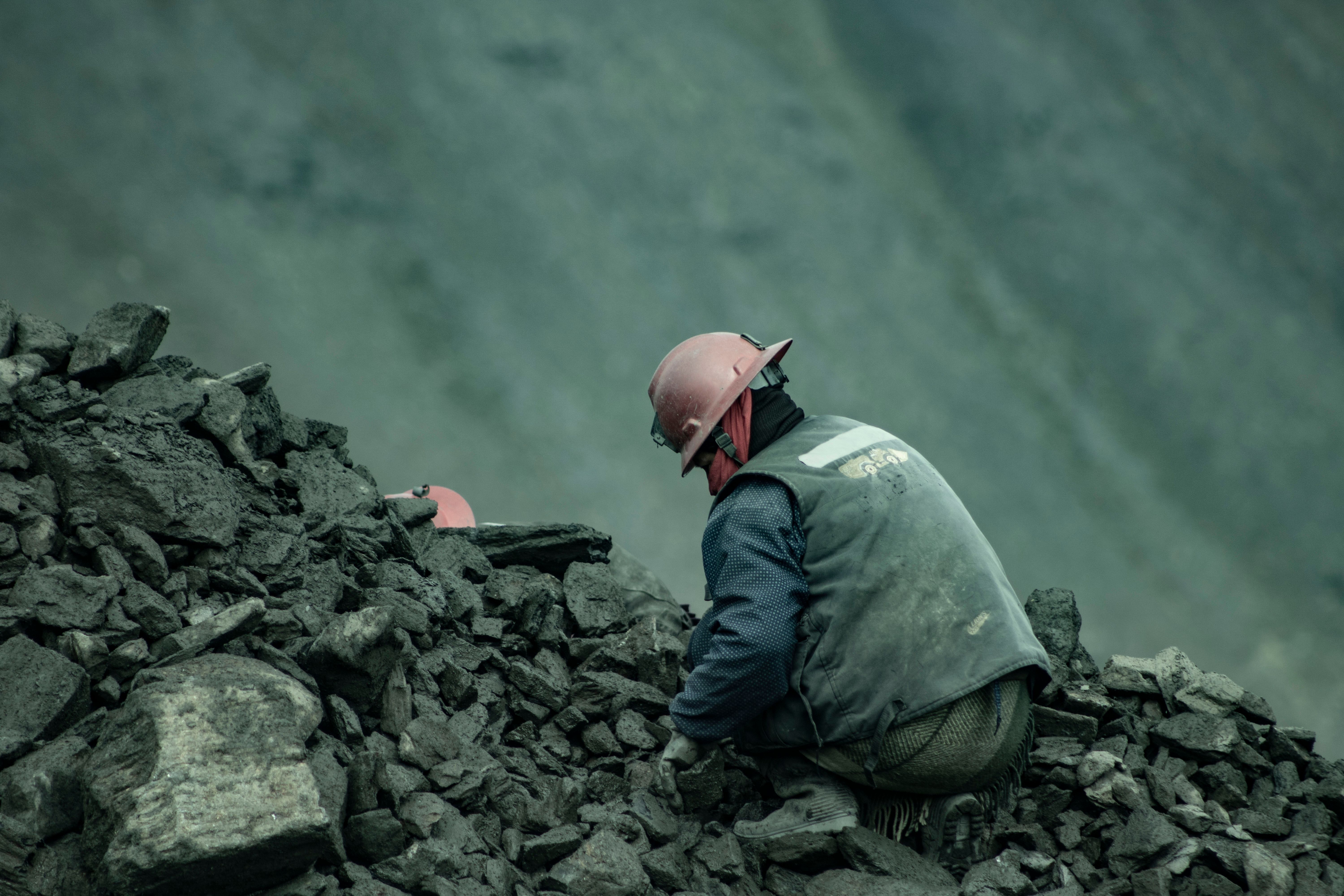
The EV Revolution Is Driving
Demand
The rapid adoption of electric
vehicles has dramatically increased demand for critical minerals. A typical
electric car requires significantly more mineral resources than a conventional
gasoline-powered vehicle.
Lithium is a key component in
modern batteries, while nickel and cobalt improve battery performance and
longevity. Rare earth elements such as neodymium and dysprosium are used in
powerful magnets found in EV motors.
According to industry forecasts,
global demand for these materials is expected to grow substantially over the
next decade as governments push for lower carbon emissions and automakers
expand electric vehicle production.
Major automobile manufacturers
are now investing directly in mining projects and supply agreements to secure
long-term access to critical resources.
Semiconductors Depend on
Strategic Minerals
Semiconductors are the foundation
of modern technology. From smartphones and laptops to artificial intelligence
systems and data centers, chips power virtually every digital device.
The semiconductor industry relies
on a range of critical minerals and specialty materials. As global demand for
advanced computing continues to rise, ensuring stable access to these resources
has become a strategic priority.
Recent supply chain disruptions
and geopolitical tensions have highlighted the risks of depending on a limited
number of suppliers. As a result, countries are investing heavily in domestic
chip manufacturing and resource security.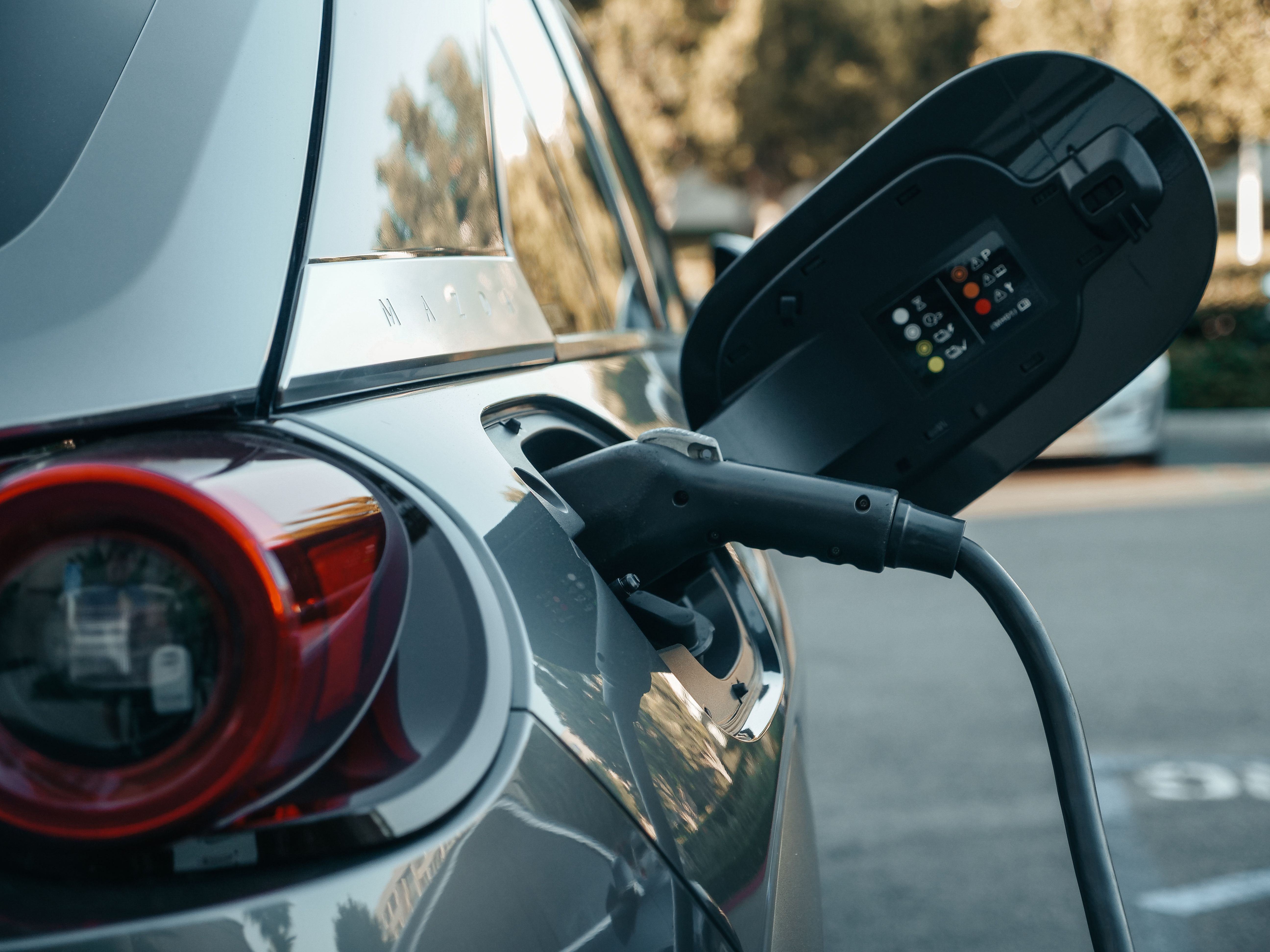
Renewable Energy Expansion
Increases Pressure
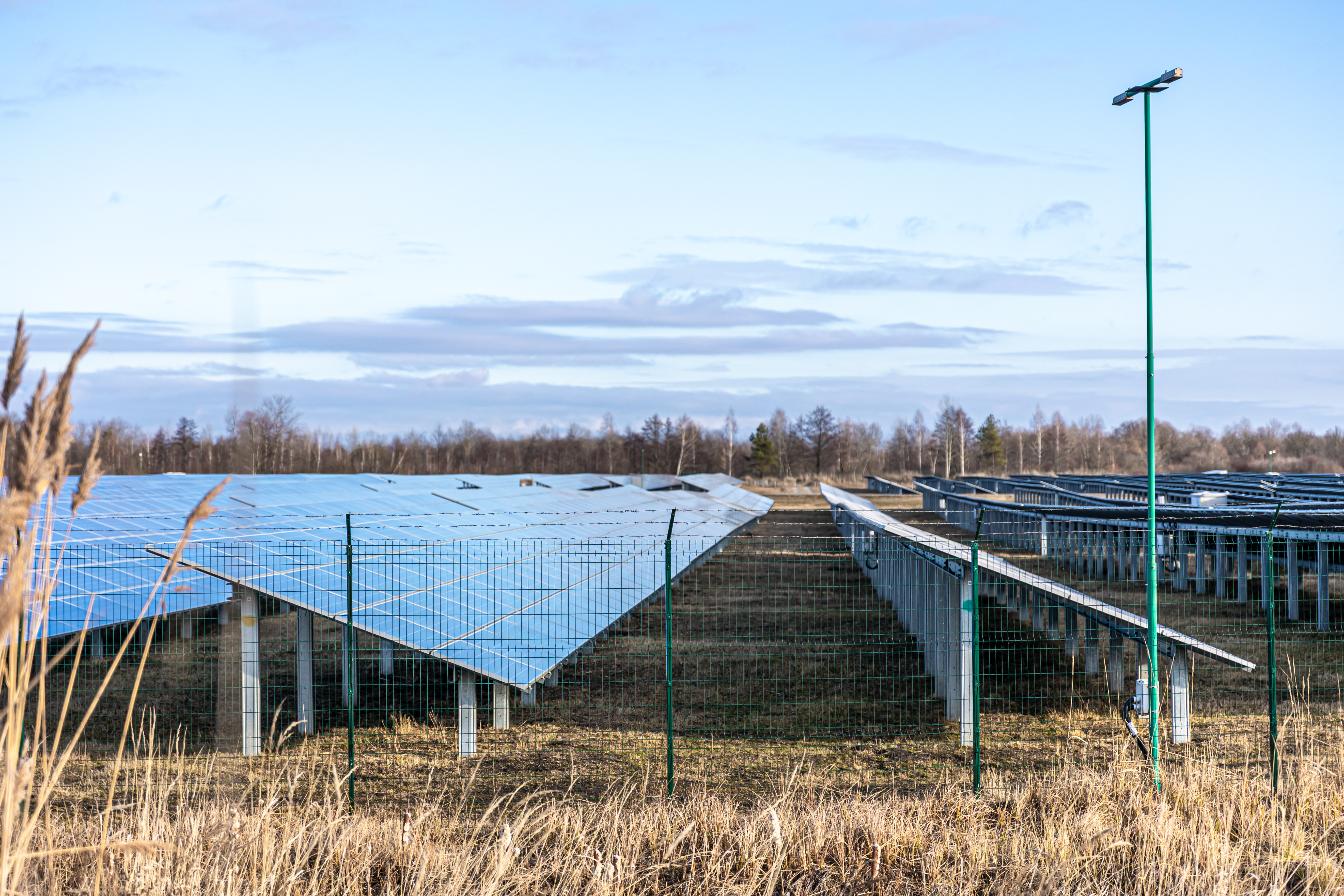
Renewable energy technologies
require large quantities of critical minerals. Wind turbines use rare-earth
magnets, while solar panels depend on various specialty metals. Expanding power
grids also requires significant amounts of copper and other conductive
materials.
As nations pursue ambitious
climate goals, demand for these minerals is expected to increase rapidly. This
has created concerns about whether future supply can keep pace with the world’s
clean energy ambitions.
Many analysts believe that
securing mineral supplies will become just as important as securing energy
supplies were during the oil era.
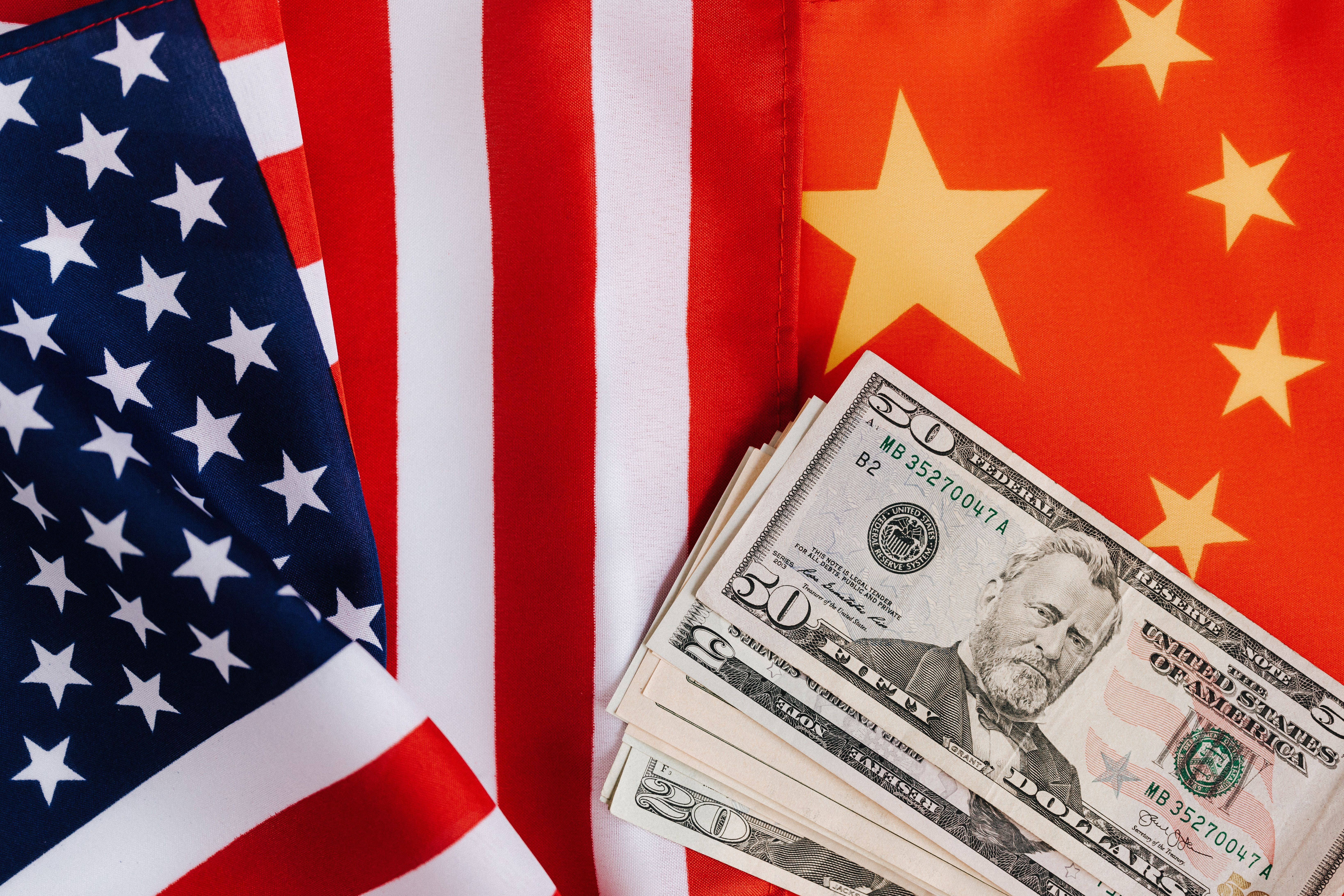
China’s Dominant Position
One of the most significant
factors in the global resource race is China’s dominance in rare earth
processing and refining.
Over several decades, China has
built extensive mining, processing, and manufacturing capabilities, making it a
critical supplier for global industries. Today, many countries rely heavily on
Chinese supply chains for essential materials.
This dependence has raised
concerns among governments seeking greater supply chain resilience. The United
States, European Union, Japan, Australia, and other nations are investing in
alternative sources and processing facilities to reduce vulnerabilities.
The competition is not only about
mining minerals but also about controlling the refining and manufacturing
stages, where much of the value is created.
Emerging Opportunities for
Resource-Rich Nations
Countries with significant
mineral reserves are becoming increasingly important players in the global
economy.
Australia remains a leading
supplier of lithium and rare earth minerals. Several African nations possess
substantial reserves of cobalt, graphite, and other critical materials. Latin
American countries, particularly those with large lithium deposits, are
attracting major international investments.
For these nations, the resource
race presents opportunities to boost economic growth, create jobs, and
strengthen infrastructure. However, it also raises questions about
environmental protection, community development, and equitable sharing of
economic benefits.
Sustainability Challenges
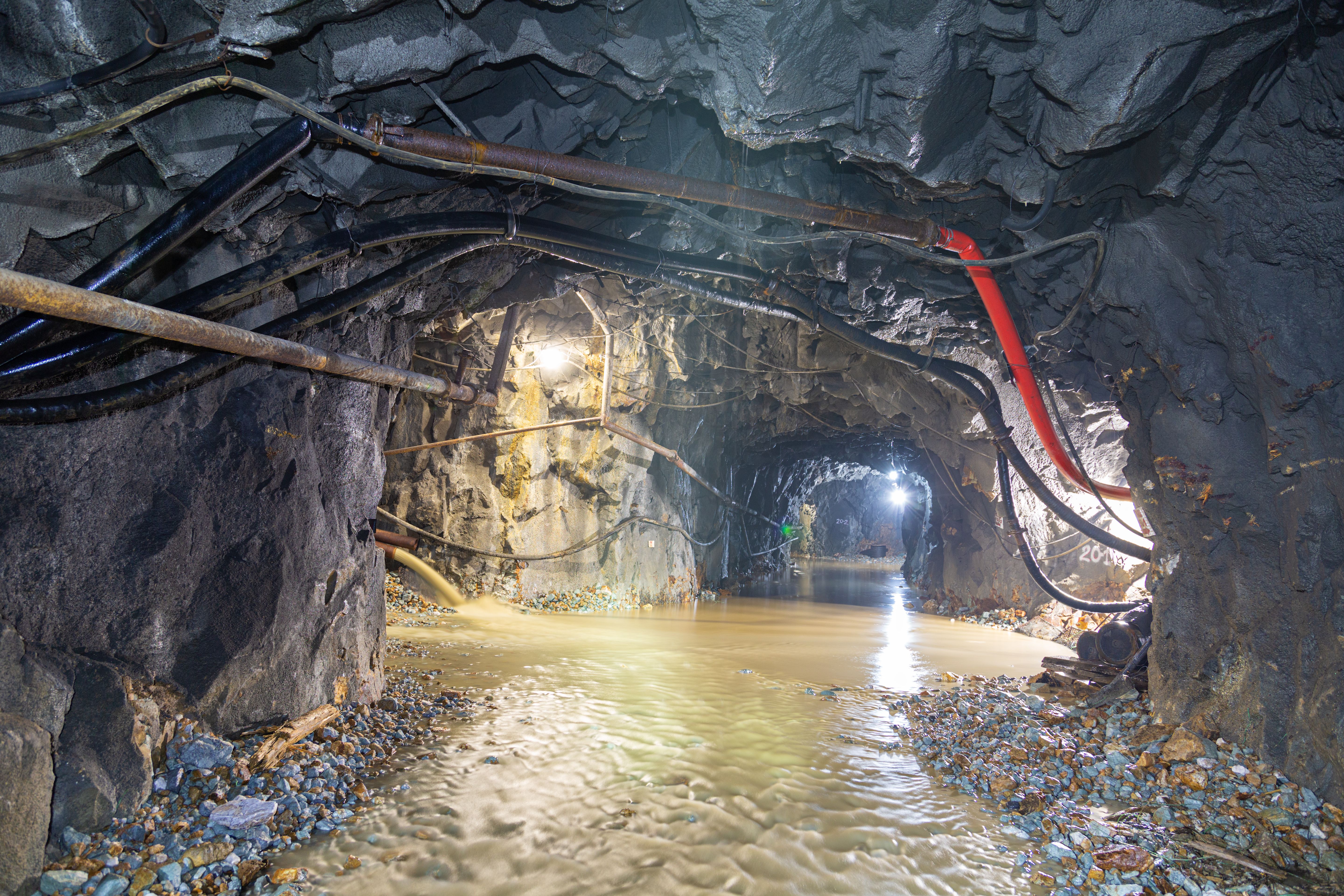
Mining and processing critical
minerals can have significant environmental impacts, including water
consumption, habitat disruption, and waste generation.
As demand grows, governments,
investors, and consumers are placing greater emphasis on responsible sourcing
practices. Companies are increasingly expected to demonstrate transparency,
environmental stewardship, and ethical labor standards throughout their supply
chains.
Recycling and circular economy
initiatives are also gaining momentum as industries seek ways to recover
valuable materials from used batteries and electronic waste.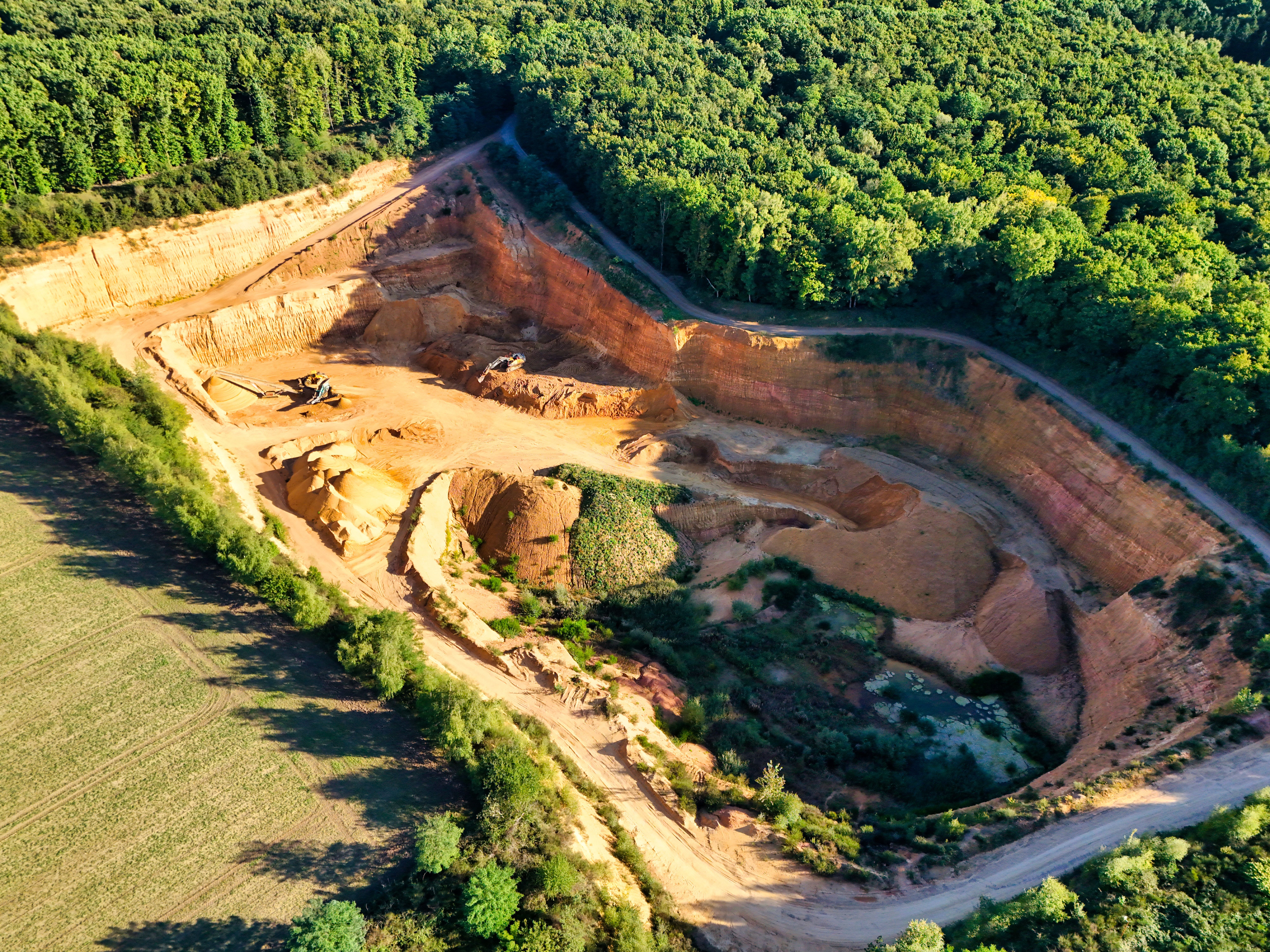
What This Means for Global
Business
The competition for critical
minerals is becoming a defining feature of the global economy. Businesses
operating in automotive manufacturing, technology, renewable energy, and
industrial sectors must closely monitor developments in mineral supply chains.
Companies that successfully
secure access to critical resources may gain significant competitive
advantages, while those that fail to diversify supply chains could face
increased costs and operational risks.
The global resource race is no
longer simply about extraction. It is about innovation, sustainability,
technology leadership, and geopolitical influence.
Looking Ahead
The transition to a digital and
low-carbon economy is transforming critical minerals into some of the world’s
most strategically important resources. As demand for electric vehicles,
semiconductors, renewable energy, and artificial intelligence continues to
grow, competition for these materials is likely to intensify.
Governments, investors, and
businesses are entering a new era where access to critical minerals may shape
economic power just as oil did in the twentieth century. The nations and
companies that successfully navigate this evolving landscape will play a major
role in defining the future global economy.