The future of telemedicine and its utility
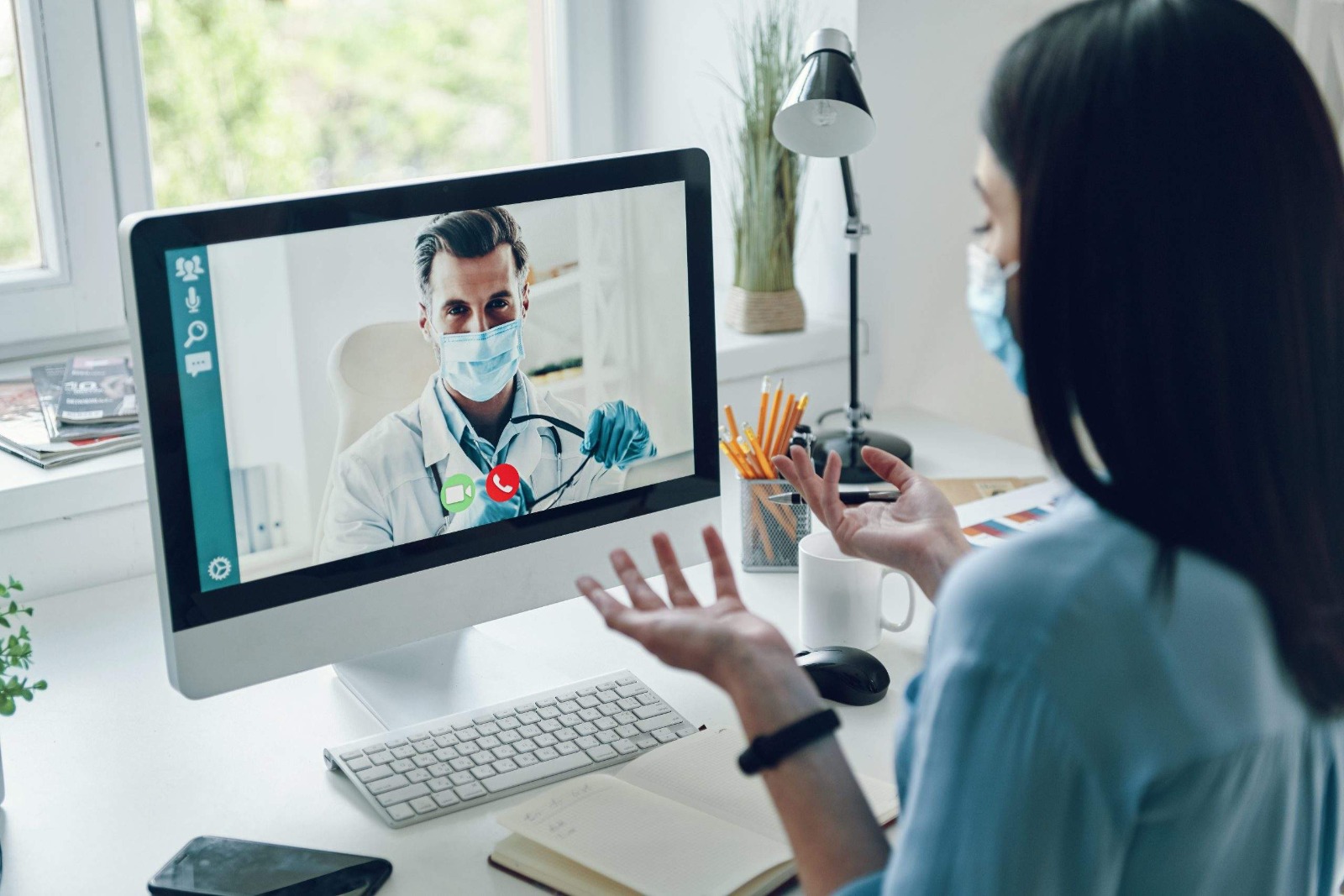
It would not be an exaggeration to say that this is the age of digitalization. Healthcare is also not untouched by this trend. If healthcare becomes completely dependent on technological efficiency, it will be at the forefront of the modernization race. Now, a new term has also emerged, digital health. It is a broad term that can be facilitated by many methods, including digital communication, telemedicine, and tele-monitoring. Digital health is growing rapidly in the market, and the demand for technology, hardware, software, and professionals is also increasing rapidly.
Why is telemedicine being considered the basis of the future medical
system?
The WHO recommends that there should be one physician for every 1000
people. But this ratio is very uneven across different countries of the world
and even within countries. Countries like Austria and Germany have dense rates
with the presence of 5.35 physicians per 1000 people. Another African country,
Chad, also has a ratio of 0.850, less than one physician per 10,000. If we
compare skills, technical aspects, and infrastructure, we will find that this
disparity is very wide. If we look at the US, we will find that the
doctor-patient ratio here is in line with the World Health Organization
standards. In the US, this ratio is 2.6 physicians per 1000. In terms of
infrastructure, technical competence, and skills, the US medical system is of a
good standard.
The geographical and political conditions of many countries are such
that they have lagged behind in the race of development, which has a direct
impact on the medical system there. It is not practical to establish a
well-organized medical institution even in some remote places. In this
situation, medical consultation and treatment can be provided by specialist
doctors from any corner of the world through telemedicine in such remote or
inaccessible places. The possibilities of this availability of telemedicine
have made it the basis of the medical system of the future.
What is telemedicine?
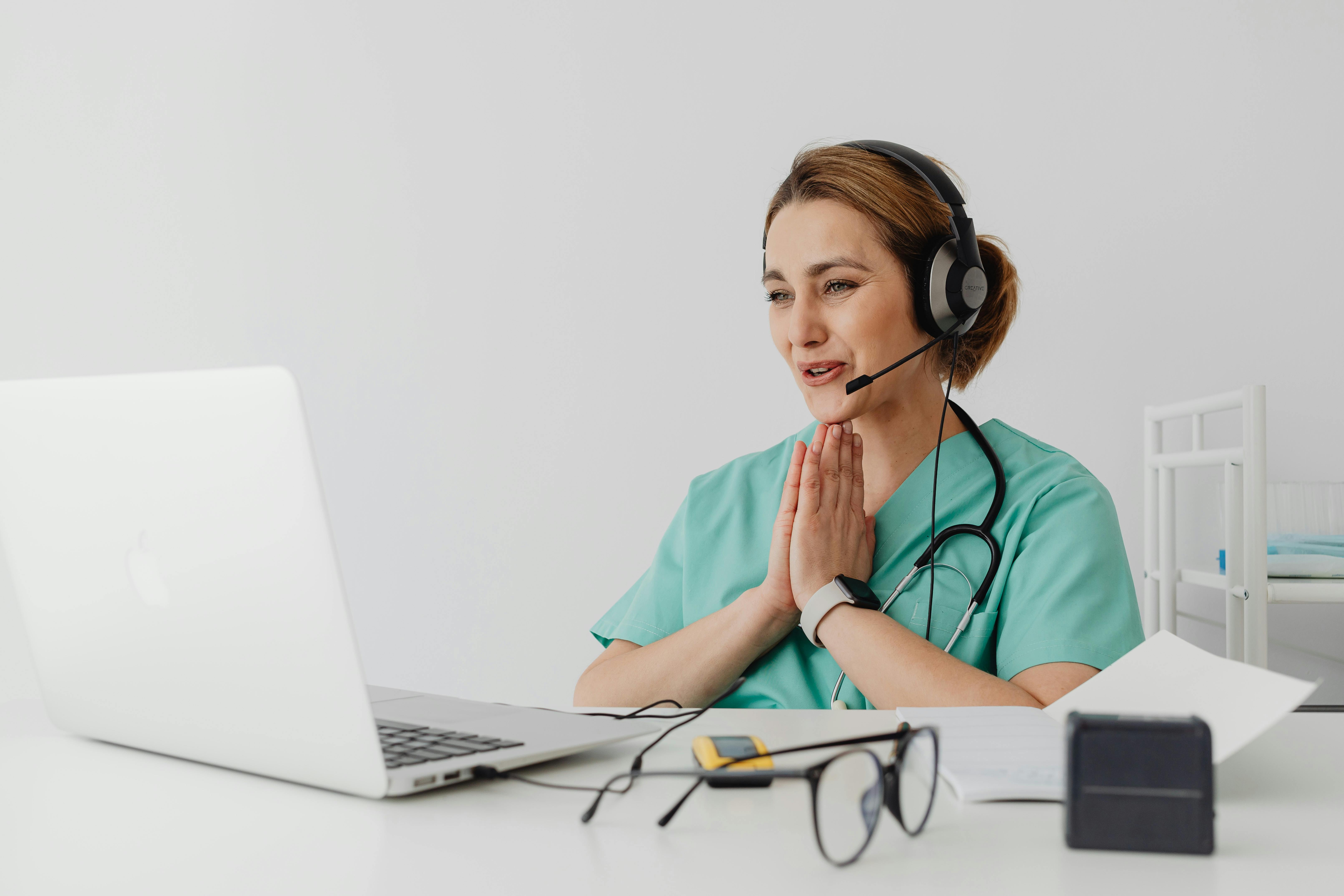
In simple terms, telemedicine is a system in which a doctor can provide
treatment to a patient by examining them at a remote location through various
communication technologies.
The communication technology used can be anything, like a phone call or
video chat.
With technological advancement, its use is also expanding now. Various
formats are either already in use or scientists are working to make their
utility practical.
Remote monitoring: This allows your doctor to examine you without
leaving your house. Any device equipped with communication technology can take
your vital signs and send them to your doctor. Due to which the doctor gets to
know your physical condition even without coming near you.
Telesurgery: Now efforts are being made to make not only medical
consultation but also serious surgery so accessible through technological use
that any surgeon can operate on a patient from a remote location. For this,
this task will be possible with the help of a remotely controlled robotic
medical surgery device. It is still in the stage of technical testing and
advancement, but soon it will be available in the public domain.
Benefits of Telemedicine in Healthcare
Several benefits of telemedicine make it an attractive option for both
patients and healthcare providers:
Easy access and convenience: Telemedicine makes it important to make medical care available even in
remote areas where it is not possible to go normally.
Cost-effective: It
makes medical care cheaper and more effective by saving the cost of
infrastructure and long travel.
Continuity:
Telemedicine increases continuity of care, especially for patients with chronic
diseases. Regular virtual check-ins can help monitor and manage conditions such
as diabetes, hypertension, and heart disease. This constant contact ensures
that patients follow their treatment plans and allows for early intervention if
a problem arises.
Expanded access to specialists: Many areas have general practitioners, but not specialists. And a
specialist can traditionally be available only in a limited area. Telemedicine
bridges this gap, allowing patients to consult specialists located in different
cities or even remote states or countries. This is especially beneficial for
rare conditions where local expertise may not be available.

Challenges
Telemedicine can be accessible and has many benefits, but its
implementation also requires technical advancement and technical
infrastructure.
Lack of technical infrastructure: Telemedicine is completely dependent on telecommunication technology.
The Internet is the basic facility for it. The Internet is not available in all
areas yet. One third of the world's population is still away from the Internet.
There is also a lack of technical skills to use and develop telemedicine
platforms. These are the problems that make it out of reach of a large part of
the population.
Privacy and security concerns: Digital transmission of sensitive medical information and patient
information raises privacy and security issues, which require strict adherence
to data privacy regulations. There is also a need to develop clear legal
provisions for this.
Not useful in every type of case: Telemedicine is not suitable for all situations, as some require
in-person testing or procedures.
Reimbursement and insurance issues: While insurance coverage rules for telemedicine have improved, they are
still not fully consistent. Patients and providers need to review coverage and
reimbursement policies, which can vary widely between insurers and different
countries and states. A global policy is needed for this.
Telemedicine and the future of healthcare
Technological infrastructure is evolving over time, and communication media such as the Internet are spreading and developing continuously. This is promoting the practicality and usefulness of telemedicine. And now there is constant experimentation and testing to develop it, which will make this method more useful. If the governments of most developed or capable countries on the global STR work by making a global policy for telemedicine, then it will completely change the structure of the future of the medical field. And it will prove to be a boon for mankind.