
JCPenney Store Closures: A Case Study on the Transformation of the Retail Industry
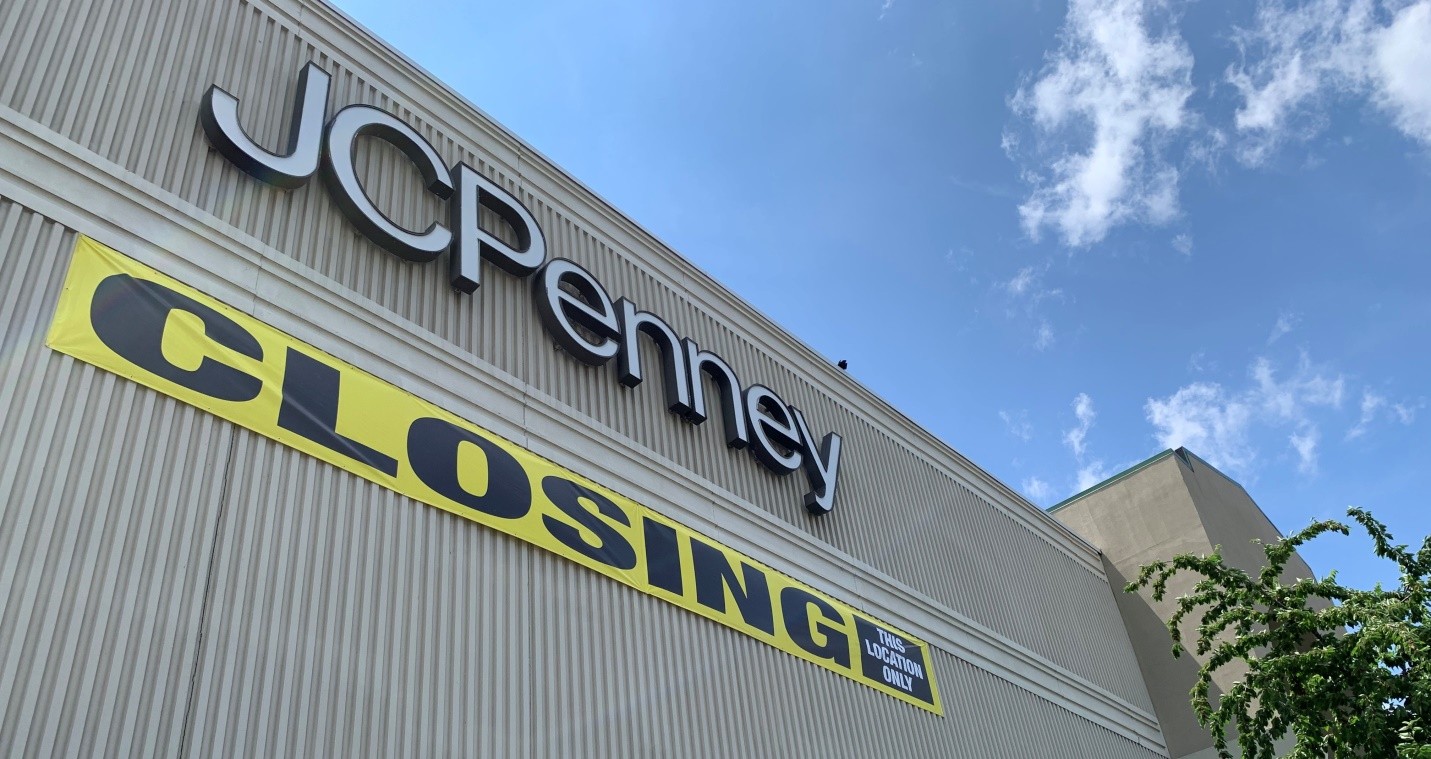
The retail industry is undergoing one of the most significant transformations in its history. Traditional department stores that once dominated shopping malls are increasingly facing pressure from changing consumer behavior, rising operational costs, and the rapid growth of e-commerce. One of the latest examples is JCPenney’s decision to permanently close several stores across the United States.
The retail industry is undergoing one of the most significant transformations in its history. Traditional department stores that once dominated shopping malls are increasingly facing pressure from changing consumer behavior, rising operational costs, and the rapid growth of e-commerce. One of the latest examples is JCPenney’s decision to permanently close several stores across the United States.
While the closure of seven
stores may seem insignificant compared to JCPenney’s nationwide presence, it
reflects a broader trend affecting the global retail landscape. This case study
examines the reasons behind JCPenney’s store closures, the company’s turnaround
strategy, and what these developments reveal about the future of retail.
Company Overview
Founded in 1902 by James Cash
Penney, JCPenney became one of America’s most recognized department store
chains. For decades, the company operated hundreds of retail locations across
the United States, offering apparel, home furnishings, beauty products, and
other consumer goods.
Today, JCPenney operates more
than 650 stores across the United States and Puerto Rico while maintaining a
growing presence in the online retail market.
The Store Closure Announcement
JCPenney announced the
permanent closure of seven retail stores in 2025. The affected locations
include:
- San Bruno, California
- Denver, Colorado
- Pocatello, Idaho
- Topeka, Kansas
- Annapolis, Maryland
- Asheville, North Carolina
- Newington, New Hampshire
- Charleston, West Virginia
Although these closures
represent less than 1% of JCPenney’s overall retail network, they have
attracted significant attention due to what they symbolize for the future of
traditional retail.
Why Is JCPenney Closing
Stores?
1. Declining Store Performance
The primary reason behind the
closures is declining customer traffic and reduced revenue generation at
specific locations. Several stores have experienced years of weakening sales,
making continued operations financially unsustainable.
Key Challenge:
- Reduced foot traffic
- Lower sales performance
- Increasing operating costs
- Changing shopping habits
2. Expiring Lease Agreements
JCPenney cited expiring lease
agreements as an important factor in the closure decision. While leases could
potentially be renewed, management determined that extending operations at
underperforming locations would not provide sufficient returns.
3. Strategic Business
Optimization
The company is actively
focusing on improving profitability rather than maintaining store count. This
strategy involves:
- Closing low-performing stores
- Redirecting resources toward stronger
locations
- Expanding digital capabilities
- Improving customer experience
The 2020 Bankruptcy Crisis
JCPenney’s current
transformation began after one of the most challenging periods in its history.
In 2020, the company filed for
bankruptcy amid:
- Rising debt levels
- Declining mall traffic
- Increasing online competition
- COVID-19 lockdowns
The pandemic accelerated
existing retail challenges, forcing temporary store closures and significantly
reducing consumer spending in physical locations.
As a result, Simon Property
Group and Brookfield Asset Management acquired JCPenney for approximately $800
million. Later, Authentic Brands Group also became involved in the company’s
ownership structure.
The new leadership team, led
by CEO Mark Rosen, launched a comprehensive turnaround strategy designed to
restore growth and profitability.
JCPenney’s Turnaround Strategy
Digital Transformation
A major pillar of JCPenney’s
recovery strategy has been investment in e-commerce.
The company has focused on:
- Enhancing its online shopping platform
- Improving mobile shopping experiences
- Streamlining delivery and fulfillment
systems
- Expanding digital marketing initiatives
The objective is to create a
seamless omnichannel shopping experience where customers can move easily
between online and physical stores.
Customer Loyalty Programs
JCPenney introduced enhanced
loyalty programs and rewards initiatives to strengthen customer retention.
Benefits include:
- Cashback rewards
- Exclusive member discounts
- Personalized promotions
- Loyalty incentives
These initiatives help
increase repeat purchases and customer engagement.
Store Modernization
The company has also invested
in upgrading physical store environments through:
- Modernized layouts
- Improved visual merchandising
- Better customer service experiences
- Enhanced product presentation
This strategy aims to make
physical shopping more engaging and competitive against online alternatives.
The Retail Industry’s Bigger
Problem
JCPenney’s situation is not
unique.
Since 2020, the company has
closed approximately 200 stores. Similar trends are occurring across the retail
industry.
Several major retail brands
have announced widespread store closures or restructuring initiatives,
including:
- Macy’s
- Walgreens
- Kohl’s
- Joann Fabrics
- CVS
- Dollar General
- Big Lots
- Party City
Many retailers are reducing
physical footprints while increasing investment in digital commerce.
The Rise of E-Commerce
COVID-19 Accelerated Consumer
Behavior Changes
The COVID-19 pandemic
fundamentally changed shopping habits worldwide.
Consumers became increasingly
comfortable with:
- Online shopping
- Mobile commerce
- Home delivery services
- Digital payment systems
What began as a necessity
during lockdowns evolved into a long-term consumer preference.
Advantages of E-Commerce
E-commerce platforms offer
several advantages over traditional retail stores:
For Customers
- Greater product variety
- Price comparison convenience
- Home delivery
- 24/7 shopping access
- Faster purchasing decisions
For Retailers
- Lower operating costs
- Reduced staffing requirements
- Wider geographic reach
- Easier inventory management
- Higher scalability
These advantages continue to
drive investment toward digital channels.
Challenges Facing Physical
Retail
Despite technological
advancements, physical stores still provide unique benefits that online
platforms cannot fully replicate.
These include:
- Immediate product access
- Physical product inspection
- Personalized customer interaction
- Brand experience
- Instant purchase fulfillment
The challenge for retailers is
balancing these advantages with the efficiency of digital commerce.
Key Business Lessons
Lesson 1: Adaptation Is
Essential
Companies that fail to adapt
to changing consumer behavior risk losing relevance in increasingly competitive
markets.
Lesson 2: Data-Driven Decision
Making
Closing underperforming stores
can strengthen overall profitability when decisions are based on financial
performance rather than emotional attachment to legacy operations.
Lesson 3: Omnichannel Retail
Is the Future
Successful retailers are
integrating physical stores and digital platforms instead of treating them as
separate businesses.
Lesson 4: Cost Efficiency
Matters
Reducing operational expenses
while improving customer experience remains a critical competitive advantage.
Future Outlook
JCPenney’s store closures do
not necessarily indicate business failure. Instead, they represent a strategic
shift toward a more sustainable and digitally integrated retail model.
The future of retail is
unlikely to be entirely online or entirely physical. Instead, the industry is
moving toward an omnichannel ecosystem where physical stores, e-commerce
platforms, mobile applications, and digital services work together to serve customers.
Companies that successfully
embrace this transformation will be better positioned for long-term growth.
Conclusion
The closure of several
JCPenney stores is more than a routine business decision. It reflects the
ongoing transformation of the retail industry as companies adapt to changing
consumer preferences and technological advancements.
While traditional retail
stores continue to play an important role, the rapid expansion of e-commerce is
reshaping how businesses operate and how consumers shop. JCPenney’s strategy
demonstrates that survival in today’s retail environment requires flexibility,
digital innovation, and a willingness to make difficult decisions.
For business leaders, investors, and entrepreneurs, this case serves as a powerful reminder that long-term success depends on the ability to evolve with market realities rather than resist them.