
How Louis Vuitton Maintains Its Premium Positioning
Louis Vuitton has remained one of the world's most desirable luxury brands for over 170 years. This case study explores how the company uses exclusivity, craftsmanship, disciplined pricing, and exceptional customer experiences to maintain its premium positioning and global prestige.
A Masterclass in Luxury Brand Management
In a world where brands
constantly compete for attention through discounts, promotions, and mass-market
strategies, Louis Vuitton has taken a very different path. For more than 170
years, the French luxury house has remained one of the most desirable brands in
the world. Its success is not based solely on products—it is built on
exclusivity, craftsmanship, heritage, and an unwavering commitment to luxury.
Today, Louis Vuitton, part of the
LVMH group, is one of the most valuable luxury brands globally. Its ability to
maintain premium positioning offers important lessons for businesses across
industries.
The Power of Heritage
Founded in 1854 by Louis Vuitton,
the company began as a maker of high-quality travel trunks for wealthy clients.
While many brands reinvent themselves frequently, Louis Vuitton continuously
reinforces its history and craftsmanship.
Every product tells a story
connected to the brand’s heritage. Customers are not simply buying a handbag or
suitcase; they are purchasing a piece of luxury history. This emotional
connection strengthens the brand’s perceived value and allows it to command
premium prices.
Scarcity Creates Desire
One of Louis Vuitton’s most
effective strategies is controlled availability. Unlike many retailers that
focus on maximizing volume, Louis Vuitton carefully manages supply.
The brand rarely offers discounts
and avoids excessive inventory. Limited production runs and exclusive
collections create a sense of scarcity, making products even more desirable.
Consumers often view ownership as a symbol of status because not everyone can
easily obtain the products.
This strategy demonstrates a
fundamental principle of luxury marketing: exclusivity increases perceived
value.
Uncompromising Product Quality
Luxury customers expect
excellence, and Louis Vuitton consistently delivers it. The company invests
heavily in skilled artisans, premium materials, and strict quality standards.
Every stitch, pattern, and detail
undergoes careful inspection. This dedication to craftsmanship helps justify
premium pricing while reinforcing consumer trust. Customers believe they are
purchasing products that will last for years, making the investment feel
worthwhile.
Strategic Pricing Discipline
Many brands use discounts to
drive sales during difficult periods. Louis Vuitton rarely follows this
approach.
By maintaining strict pricing
discipline, the company protects its luxury image. Frequent discounts can
weaken a brand’s prestige by signaling that products are worth less than their
original price.
Instead, Louis Vuitton
occasionally increases prices, reinforcing the perception that its products are
valuable, exclusive, and in high demand.
Celebrity Influence and
Cultural Relevance
Louis Vuitton has mastered the
art of staying culturally relevant without losing its luxury identity. The
brand collaborates with influential designers, artists, athletes, and
celebrities who align with its image.
Partnerships with figures such as
Pharrell Williams and collaborations with leading artists have helped the brand
attract younger consumers while maintaining its prestige.
Rather than chasing trends, Louis
Vuitton selectively participates in cultural moments that enhance its image.
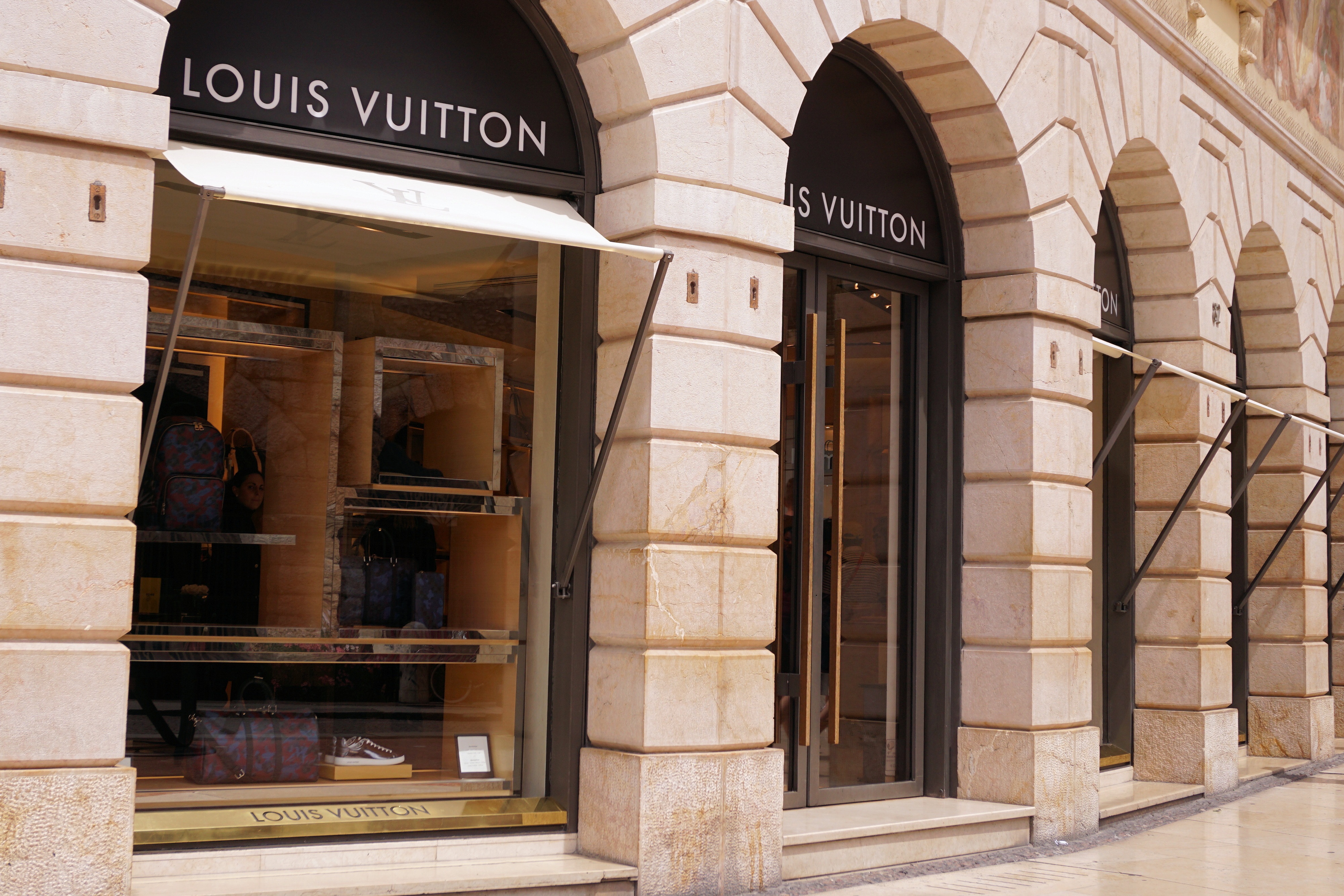
Exceptional Retail Experience
Luxury is not only about
products—it is also about experience.
Louis Vuitton stores are designed
to feel exclusive, elegant, and memorable. From architecture and interior
design to personalized customer service, every detail reinforces the brand’s
premium positioning.
Customers often describe shopping
at Louis Vuitton as an experience rather than a transaction. This emotional
engagement strengthens brand loyalty and encourages repeat purchases.
Strong Brand Protection
Counterfeit goods are a major
challenge for luxury companies. Louis Vuitton invests heavily in intellectual
property protection and anti-counterfeiting efforts.
By actively protecting its
designs and trademarks, the company preserves brand integrity and maintains
consumer confidence. Customers know they are purchasing authentic luxury
products backed by a trusted global brand.
Key Business Lessons
Louis Vuitton’s success
demonstrates that premium positioning requires consistency and discipline. The
company’s strategy offers several lessons for businesses:
- Build a strong brand story that customers can
connect with emotionally.
- Prioritize quality over short-term sales volume.
- Maintain pricing discipline and avoid excessive
discounting.
- Create exclusivity through controlled distribution.
- Deliver exceptional customer experiences.
- Protect brand reputation at all costs.
- Balance heritage with innovation to remain
relevant.
Conclusion
Louis Vuitton’s enduring success
is not the result of a single product or marketing campaign. It is the outcome
of decades of disciplined brand management, exceptional craftsmanship, and a
clear understanding of what luxury consumers value.
While many brands compete on price, Louis Vuitton competes on desirability. By protecting its exclusivity, investing in quality, and consistently delivering a premium experience, the company has established itself as one of the world’s most respected luxury brands—a benchmark for premium positioning across industries.