
AI-Powered Healthcare: How Artificial Intelligence Is Reshaping Global Medicine in 2026
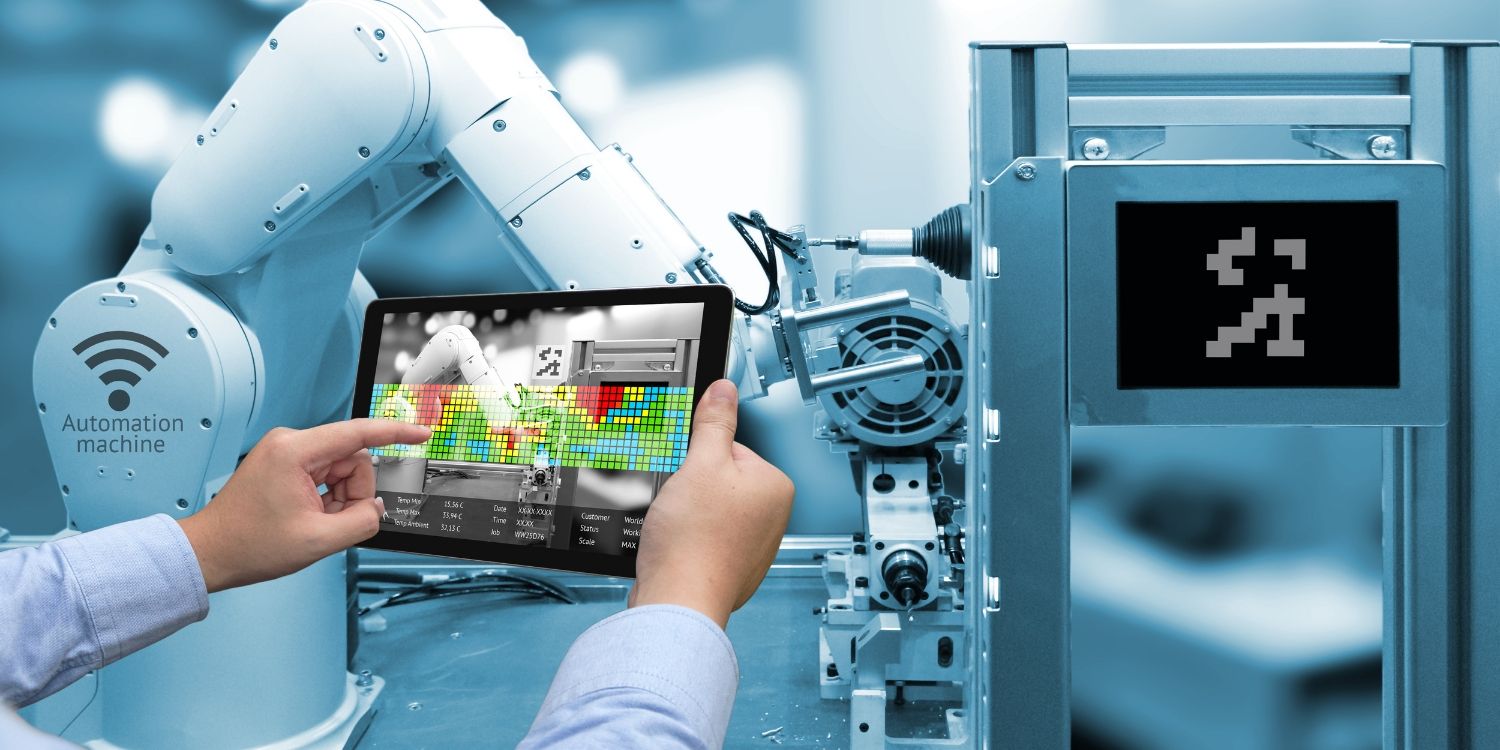
Artificial Intelligence is transforming healthcare faster than ever in 2026. From AI-powered diagnostics and personalized medicine to drug discovery and predictive healthcare, technology is reshaping how patients receive care and how healthcare systems operate worldwide. Explore the opportunities, challenges, and future of AI-driven medicine.
Artificial Intelligence (AI) is no longer a futuristic concept in healthcare—it is becoming an essential part of modern medicine. Across hospitals, research laboratories, pharmaceutical companies, and healthcare systems worldwide, AI is helping doctors diagnose diseases faster, improve patient care, accelerate drug development, and reduce operational costs.
In 2026, the healthcare industry
is witnessing one of its most significant technological transformations. As
populations age and healthcare demands continue to rise, AI is emerging as a
powerful tool to help medical professionals deliver better outcomes while
making healthcare more accessible and efficient.
Faster and More Accurate
Diagnoses
One of the most impactful
applications of AI is medical diagnosis. Advanced AI systems can analyze
medical images such as X-rays, CT scans, MRIs, and mammograms with remarkable
speed and precision.
Many hospitals now use
AI-assisted diagnostic tools to identify conditions, including:
- Cancer
- Heart disease
- Stroke
- Lung disorders
- Neurological diseases
These systems can detect patterns
that may be difficult for the human eye to identify, helping doctors make
earlier diagnoses and begin treatment sooner. Rather than replacing physicians,
AI serves as a powerful second opinion, reducing the risk of errors and
improving confidence in clinical decisions.
The Rise of Personalized
Medicine
Healthcare is moving away from
the traditional one-size-fits-all approach. AI enables personalized treatment
plans by analyzing a patient’s medical history, genetic profile, lifestyle
habits, and real-time health data.
This allows healthcare providers
to:
- Predict disease risks more accurately.
- Recommend tailored treatments
- Optimize medication choices
- Improve patient outcomes
As precision medicine becomes
more common, patients receive care that is increasingly customized to their
unique biological characteristics.
Accelerating Drug Discovery
Developing a new drug
traditionally takes years and requires billions of dollars in investment. AI is
dramatically reducing the time needed to identify promising drug candidates.
Pharmaceutical companies are
using AI to:
- Analyze vast biological datasets.
- Predict molecule behavior
- Identify potential therapies
- Simulate clinical outcomes
This technology is particularly
valuable in addressing emerging diseases and rare medical conditions, where
rapid innovation can save lives.
The ability to shorten research
timelines could transform the economics of the pharmaceutical industry while
bringing treatments to patients faster.
Virtual Health Assistants and
Patient Support
AI-powered virtual assistants are
becoming increasingly common in healthcare settings. These digital tools help
patients schedule appointments, monitor symptoms, answer health-related
questions, and manage chronic conditions.
Benefits include:
- 24/7 patient support
- Reduced administrative workload
- Improved patient engagement
- Better adherence to treatment plans
Many healthcare organizations are
integrating AI chatbots into their digital platforms to improve accessibility
and enhance the patient experience.
Remote Monitoring and
Predictive Healthcare
Wearable devices and connected
health technologies are generating vast amounts of health data. AI can analyze
this information in real time, helping physicians monitor patients remotely and
identify warning signs before serious health issues develop.
For example, AI systems can
detect:
- Abnormal heart rhythms
- Changes in blood pressure
- Respiratory problems
- Early indicators of chronic disease complications
This shift from reactive
healthcare to predictive healthcare enables earlier interventions, reducing
hospital admissions and improving long-term patient outcomes.
AI in Hospital Operations
Beyond patient care, AI is
improving the efficiency of healthcare institutions themselves.
Hospitals are using AI to:
- Optimize staffing schedules
- Manage patient flow
- Reduce waiting times
- Forecast resource needs
- Automate administrative tasks
These improvements help
healthcare providers reduce costs while allowing medical professionals to focus
more on patient care rather than paperwork.
Challenges and Ethical
Concerns
Despite its enormous potential,
AI in healthcare presents important challenges.
Key concerns include:
Data Privacy
Healthcare data is among the most
sensitive information individuals possess. Organizations must ensure patient
information is protected from cyber threats and unauthorized access.
Algorithm Bias
AI systems are only as effective
as the data used to train them. Poor-quality or biased datasets can lead to
unequal treatment recommendations and healthcare disparities.
Regulatory Oversight
Governments and healthcare
regulators are working to establish standards that ensure AI tools are safe,
transparent, and reliable before widespread adoption.
Human Judgment Remains
Essential
While AI can provide valuable
insights, medical decisions ultimately require human expertise, empathy, and
ethical judgment. Technology should support healthcare professionals—not
replace them.
Global Investment Continues to
Grow
Investment in healthcare AI is
reaching record levels as governments, venture capital firms, and technology
companies recognize its transformative potential.
Major areas attracting funding
include:
- Medical imaging
- Drug discovery
- Robotics
- Telemedicine
- Predictive analytics
- Digital health platforms
Countries across North America,
Europe, Asia, and the Middle East are positioning themselves as leaders in the
next generation of AI-driven healthcare innovation.
Looking Ahead
The future of medicine is
increasingly connected to artificial intelligence. As AI technologies continue
to mature, healthcare systems will become more proactive, personalized, and
efficient.
In 2026, the question is no
longer whether AI will influence healthcare—it already is. The focus now is on
how healthcare providers, policymakers, and technology companies can
responsibly harness its power to improve lives on a global scale.
For patients, doctors, and
businesses alike, AI represents one of the most promising advancements in
modern medicine, opening the door to a healthier and more innovative future.