Why Artificial Intelligence Is Fueling a New Global Demand for Nuclear Power
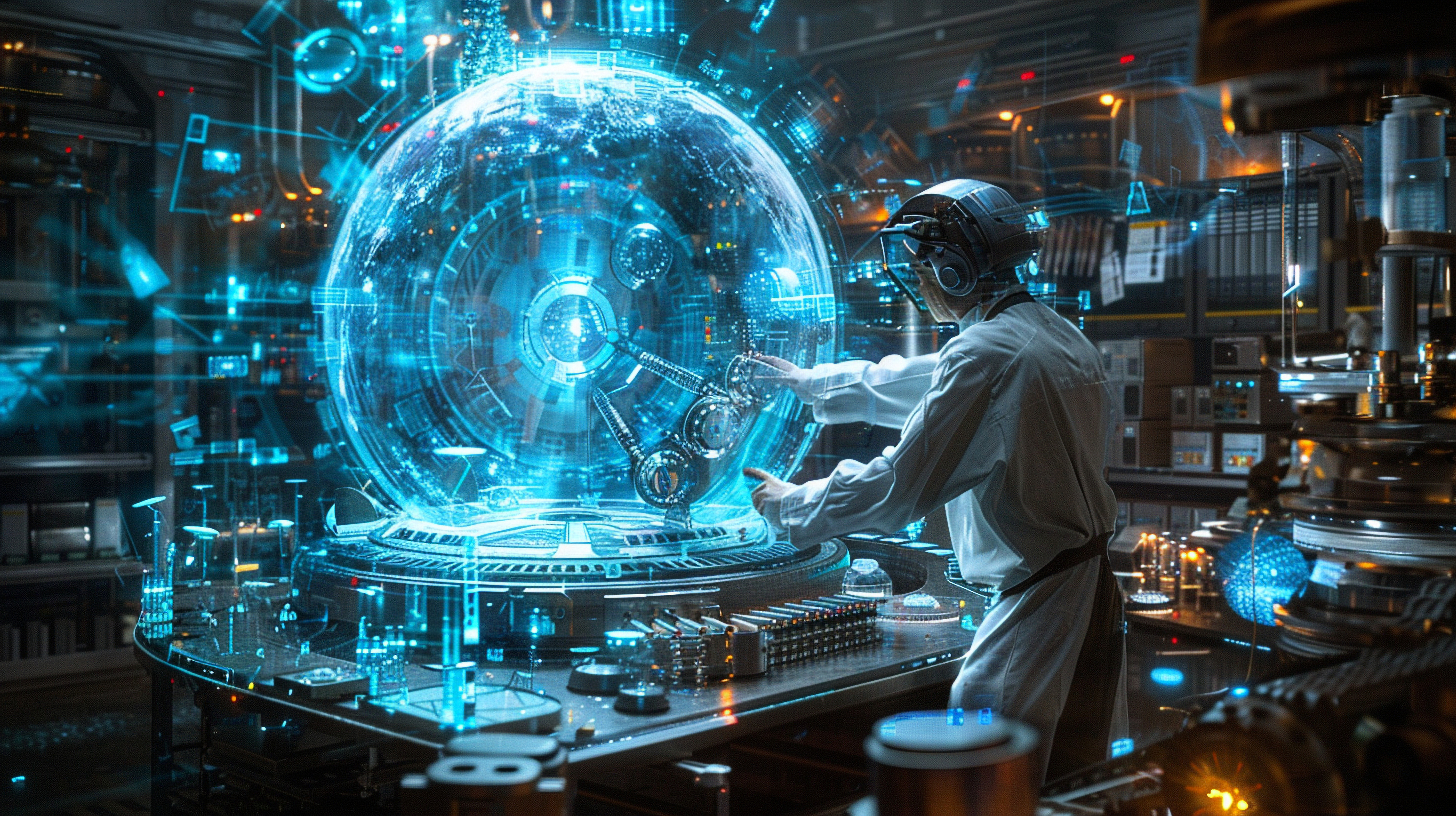
The explosive growth of artificial intelligence is creating unprecedented energy demand worldwide. As data centers expand and governments pursue cleaner energy solutions, nuclear power is experiencing a major revival. Learn why nuclear energy is becoming a key pillar of the AI-driven economy and what it means for businesses, investors, and policymakers.
For years, nuclear energy was viewed as a controversial part of the global energy mix. Concerns about safety, high construction costs, and radioactive waste led many countries to slow or halt investments in new nuclear projects. However, a remarkable shift is now taking place. As artificial intelligence (AI) transforms industries and data centers consume unprecedented amounts of electricity, nuclear power is making a powerful comeback.
The rise of AI is creating one of
the largest energy challenges of the modern era. Training advanced AI models,
operating cloud computing infrastructure, and supporting billions of digital
transactions require enormous and continuous amounts of electricity. Unlike
many traditional industries, AI systems demand reliable, around-the-clock
power. This growing need is pushing governments, technology companies, and
investors to reconsider nuclear energy as a critical solution.
The AI Revolution Is an Energy
Revolution
Artificial intelligence is
rapidly becoming the foundation of business operations, healthcare, finance,
manufacturing, transportation, and scientific research. Behind every AI-powered
application are massive data centers filled with servers that operate 24 hours
a day.
Industry analysts estimate that
electricity consumption from global data centers could more than double over
the next decade. As AI adoption accelerates, energy demand is expected to grow
even faster.
Technology companies face a
difficult challenge. They need energy sources that are reliable, scalable, and
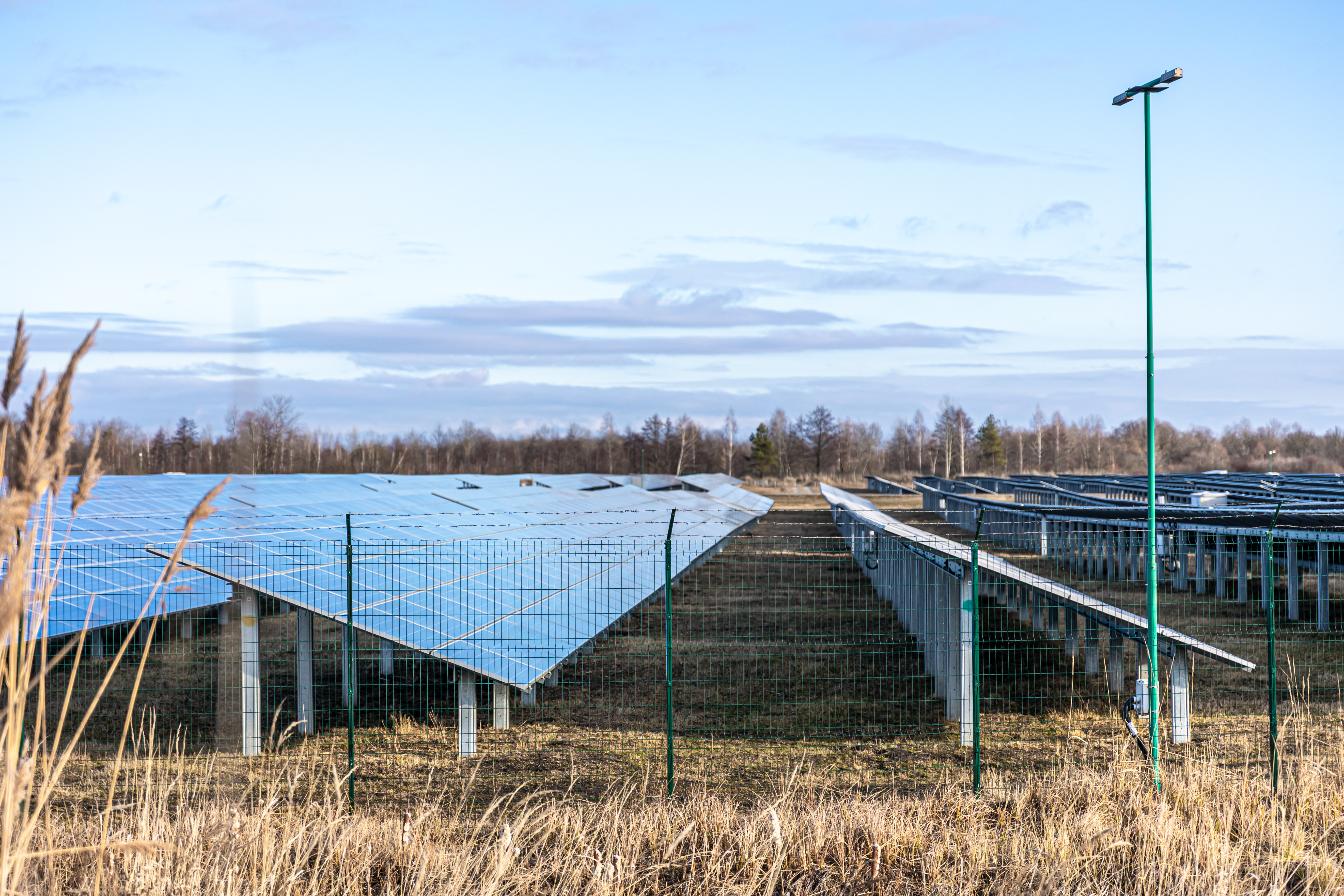
capable of supporting long-term growth. While renewable energy sources such as
solar and wind remain essential, they are dependent on weather conditions and
often require battery storage systems. Nuclear energy offers a different
advantage: continuous power generation regardless of time, season, or climate.
Why Nuclear Energy Is Gaining
Attention Again
Nuclear power plants generate
large amounts of electricity with minimal carbon emissions. This makes them
attractive for organizations pursuing both energy security and sustainability
goals.
Several factors are driving
renewed interest in nuclear energy:
1. Stable Power Supply
AI infrastructure cannot afford
frequent power interruptions. Nuclear plants provide a steady source of
electricity that can operate for months without interruption, making them ideal
for powering data centers.
2. Carbon Reduction Goals
Many governments and corporations
have committed to achieving net-zero emissions. Nuclear energy produces
electricity without releasing carbon dioxide during operation, helping
organizations meet environmental targets.
3. Energy Independence
Global geopolitical tensions have
highlighted the risks of relying heavily on imported fossil fuels. Nuclear
energy allows countries to diversify their energy sources and improve long-term
energy security.
4. Technological Innovation
Modern nuclear technologies are
significantly different from earlier generations. New reactor designs emphasize
enhanced safety systems, lower costs, and greater operational flexibility.
Big Tech's Growing Interest in
Nuclear Power
Some of the world's largest
technology companies are now exploring partnerships with nuclear energy
providers.
As AI expands, companies
operating massive cloud computing platforms are searching for dependable energy
sources to power future data centers. Several major firms have announced
investments, agreements, or research initiatives related to advanced nuclear
technologies.
The reasoning is straightforward:
AI requires enormous computing power, and computing power requires enormous
amounts of electricity. Nuclear energy offers a practical way to support that
growth while reducing dependence on fossil fuels.
For investors, this trend
represents a potentially significant opportunity. Companies involved in reactor
development, nuclear fuel production, infrastructure construction, and energy
management could benefit from increased demand.
The Rise of Small Modular
Reactors (SMRs)
One of the most promising
developments in the nuclear sector is the emergence of Small Modular Reactors,
commonly known as SMRs.
Unlike traditional nuclear plants
that require massive construction projects, SMRs are designed to be smaller,
more flexible, and faster to deploy. They can be manufactured in factories and
assembled on-site, potentially reducing costs and construction timelines.
Advantages of SMRs include:
- Lower upfront investment requirements
- Enhanced safety features
- Greater flexibility in location selection
- Easier integration with renewable energy systems
- Potential use for industrial facilities and data
centers
Many experts believe SMRs could
become a major component of future energy infrastructure, particularly as
AI-driven electricity demand continues to rise.
Challenges Remain
Despite renewed enthusiasm,
nuclear energy still faces several challenges.
High Initial Costs
Building nuclear facilities
requires substantial capital investment. Financing large projects remains a
major hurdle in many countries.
Regulatory Approval
Nuclear projects must undergo
rigorous safety reviews and regulatory processes, which can extend development
timelines.
Waste Management
The long-term storage and
management of radioactive waste continues to be an important issue that
governments and industry leaders must address.
Public Perception
Historical nuclear accidents
continue to influence public opinion. Building trust through transparency,
innovation, and strong safety standards remains essential.
What This Means for Global
Business
The intersection of AI and energy
is becoming one of the most important business stories of the decade. Companies
that can secure reliable, affordable, and sustainable power will have a
competitive advantage in the digital economy.
As nations race to lead in
artificial intelligence, energy infrastructure is emerging as a strategic
asset. Nuclear energy is increasingly being viewed not merely as an alternative
power source but as a critical foundation for future technological growth.
Investors, policymakers, and
corporate leaders are recognizing that the success of the AI economy may depend
as much on energy generation as on software innovation.
Looking Ahead
Nuclear energy's resurgence
reflects a broader reality: the world is entering an era where digital
transformation and energy strategy are deeply connected. Artificial
intelligence promises extraordinary advances in productivity, innovation, and
economic growth, but achieving that potential will require unprecedented
amounts of reliable electricity.
As governments and businesses
search for solutions, nuclear power is once again moving to the center of the
global energy conversation. Whether through traditional reactors or
next-generation modular technologies, nuclear energy may play a crucial role in
powering the AI-driven economy of the future.
For business leaders, understanding this evolving relationship between AI and energy is no longer optional—it is becoming a strategic necessity.