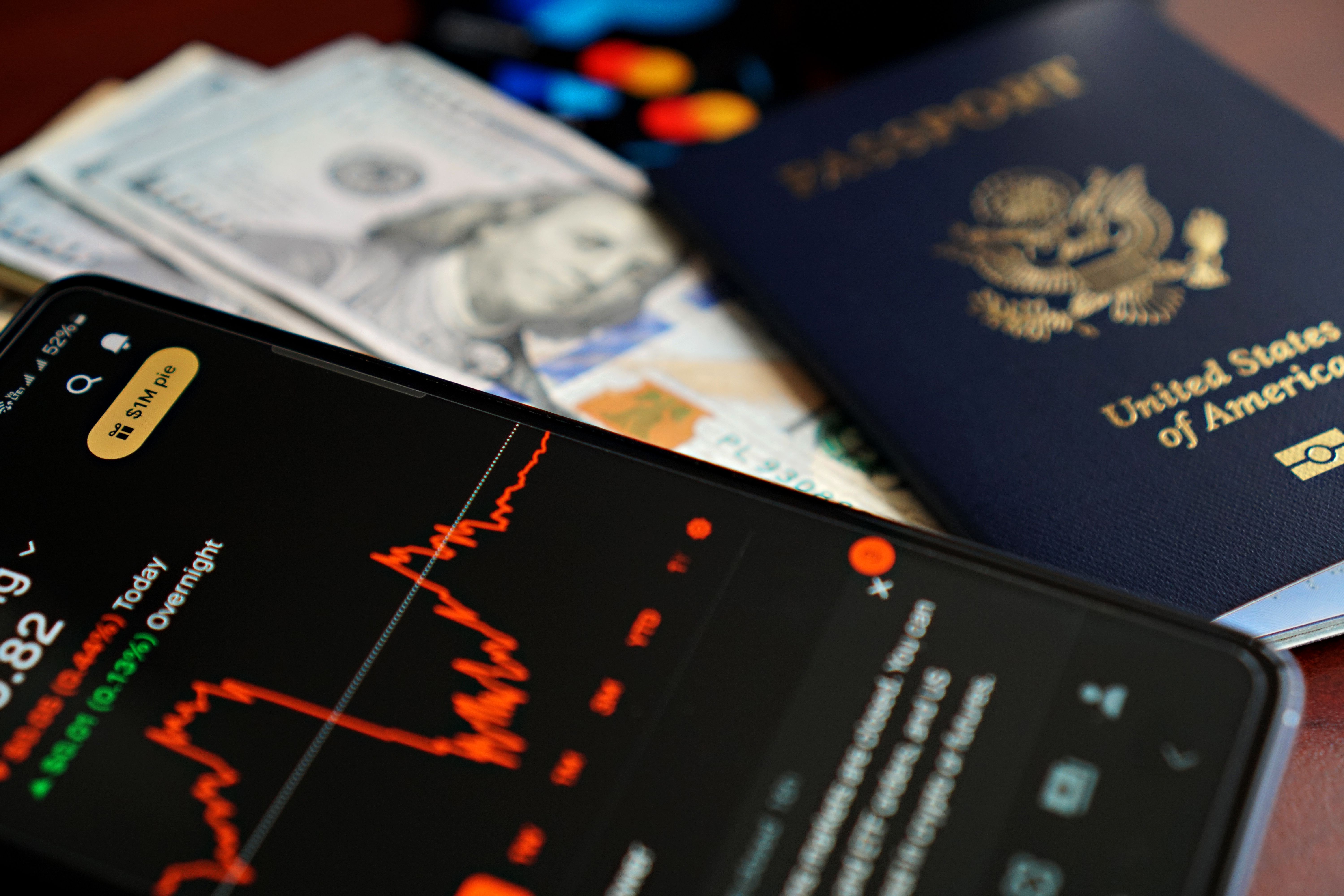
The Future of Cashless Economies: A Case Study on the Digital Transformation of Money
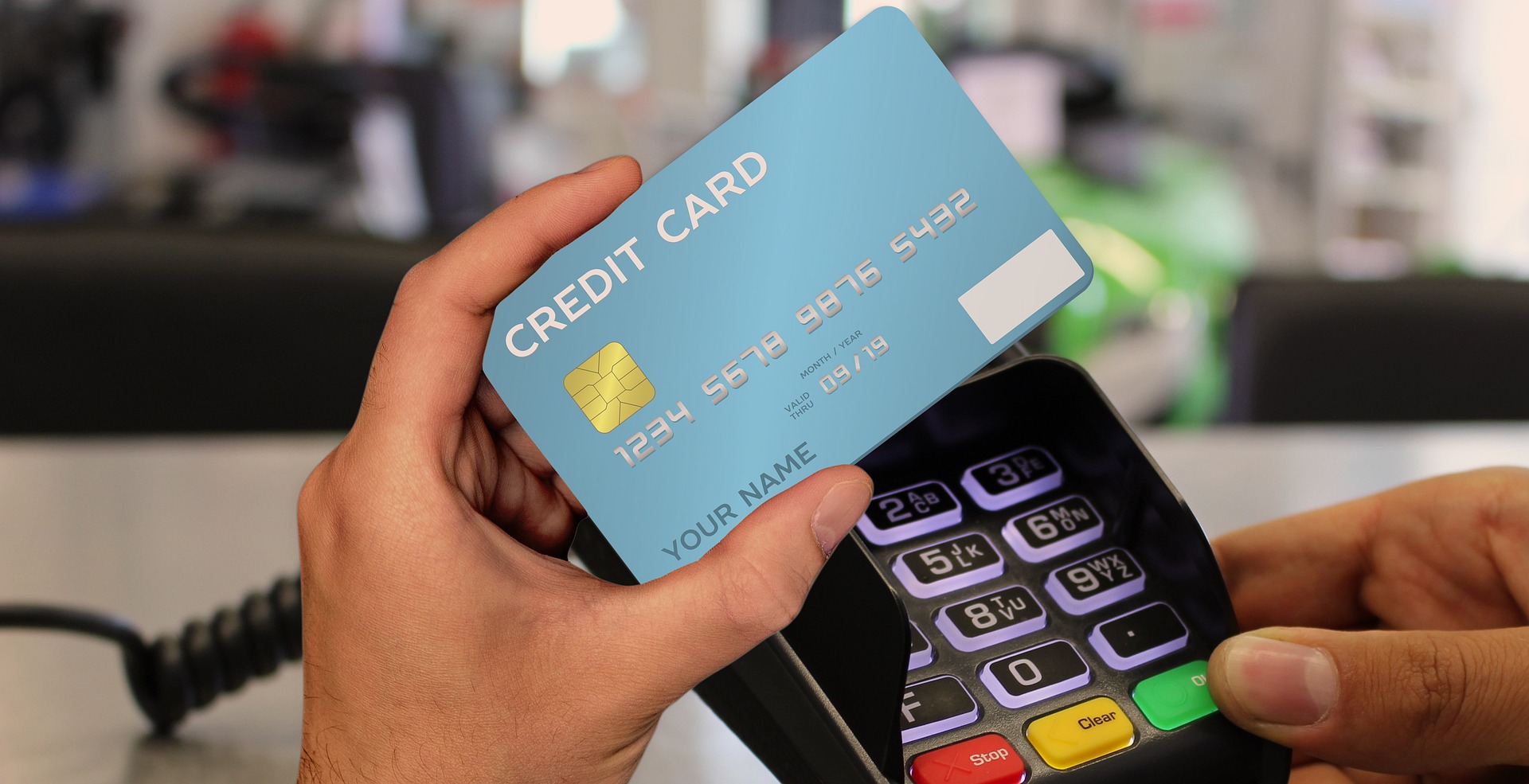
As digital payments become the norm worldwide, cashless economies are reshaping how businesses and consumers interact. From India's UPI revolution to emerging digital currencies, this case study explores the opportunities, challenges, and future of money in an increasingly connected world.
Imagine a world where wallets become optional and every transaction happens with a simple tap, scan, or click. This future is rapidly becoming a reality as countries around the globe move toward cashless economies. Digital payments, mobile wallets, cryptocurrencies, and real-time banking systems are transforming how consumers and businesses exchange value.
While cash has been a cornerstone
of commerce for centuries, technological innovation and changing consumer
behavior are accelerating the shift toward digital transactions. The future of
cashless economies presents both enormous opportunities and significant
challenges.
The Rise of Cashless
Transactions
Over the past decade, digital
payment adoption has surged worldwide. Smartphones have become financial tools,
allowing consumers to pay bills, transfer money, shop online, and make
purchases without carrying physical currency.
Countries such as Sweden,
Singapore, China, and South Korea have emerged as leaders in cashless
transactions. In many urban areas, cash is rarely used for everyday purchases.
Businesses benefit from faster transactions, lower cash-handling costs, and improved
financial transparency.
The COVID-19 pandemic further
accelerated this trend as consumers and retailers preferred contactless
payments over physical cash due to hygiene concerns.
India's Digital Payment
Revolution
India provides one of the most
remarkable examples of a rapidly evolving cashless economy. The introduction of
the Unified Payments Interface (UPI) transformed digital payments by enabling
instant bank-to-bank transfers through smartphones.
Today, street vendors, small
retailers, and large corporations alike accept digital payments. What was once
considered a technology for urban consumers has become a mainstream financial
tool across cities, towns, and villages.
The success of UPI demonstrates
how government support, technological infrastructure, and consumer convenience
can work together to accelerate digital adoption.
Business Opportunities in a
Cashless Future
A cashless economy creates new
opportunities for businesses across industries.
Better Customer Experience
Digital payments reduce checkout
times and simplify transactions. Consumers increasingly expect seamless payment
experiences both online and offline.
Greater Financial Transparency
Electronic transactions create
digital records, helping businesses improve accounting accuracy, tax
compliance, and financial planning.
Data-Driven Decision Making
Digital payment systems generate
valuable customer insights. Businesses can analyze purchasing patterns,
personalize marketing efforts, and improve customer retention.
Financial Inclusion
Digital banking services can
provide access to financial tools for populations previously excluded from
traditional banking systems.
Challenges That Remain
Despite its advantages, a fully
cashless economy presents important concerns.
Cybersecurity Risks
As financial systems become more
digital, cyberattacks and data breaches become greater threats. Governments and
businesses must continuously invest in security infrastructure.
Digital Divide
Not everyone has access to
smartphones, internet connectivity, or digital literacy. Ensuring inclusive
participation remains a major challenge.
Privacy Concerns
Cash transactions offer
anonymity, while digital payments generate extensive financial data.
Policymakers must balance convenience with consumer privacy rights.
System Dependence
Technical failures, power
outages, or network disruptions can temporarily halt economic activity in
highly digitized payment ecosystems.
What the Future Looks Like
The next decade will likely
witness even deeper integration of digital finance into everyday life.
Artificial intelligence, blockchain technology, central bank digital currencies
(CBDCs), and embedded financial services will reshape payment systems worldwide.
Consumers may eventually manage
multiple forms of digital money through a single platform, making financial
transactions faster, smarter, and more personalized.
However, the most successful
cashless economies will be those that combine innovation with security,
accessibility, and trust.
Key Takeaway
The future of cashless economies is not simply about eliminating cash—it is about creating a more efficient, connected, and inclusive financial ecosystem. Businesses that embrace digital payment technologies today will be better positioned to compete in tomorrow's economy. As technology continues to evolve, the question is no longer whether societies will become more cashless, but how quickly they can do so while ensuring that no one is left behind.